
 by
Seychelles Agriculture
Seychelles agriculture refers to the farming practices, crop production, livestock rearing, and overall agricultural economy of the Republic of Seychelles, an archipelago in the Indian Ocean. Due to its small land area and limited arable land, agriculture in Seychelles is relatively small-scale but crucial for local food security and economic diversification. Agricultural activities include crop farming, livestock rearing, and aquaculture.
Understanding Seychelles Agriculture
Introduction
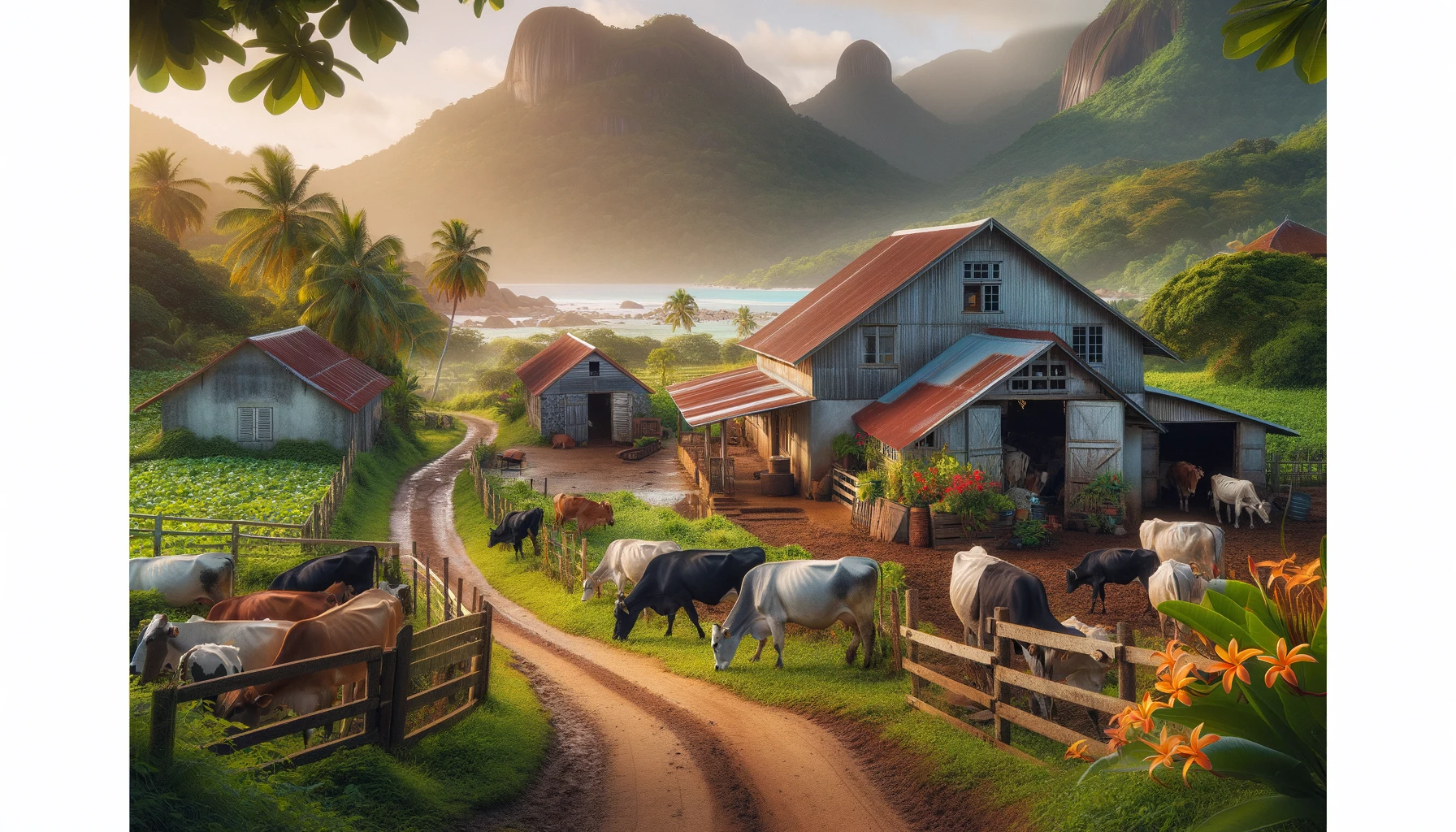
Agriculture in Seychelles plays a vital role in supporting local food production and contributing to rural livelihoods. The sector is characterized by small-scale farming, with a focus on horticulture, fruit cultivation, and livestock rearing. Despite the challenges posed by limited land resources, high import dependency, and vulnerability to climate change, efforts to enhance agricultural productivity and sustainability are ongoing.
Key Agricultural Regions in Seychelles
1. Mahé
Mahé, the largest island, is the primary agricultural hub of Seychelles. It supports the cultivation of various fruits, vegetables, and spices, as well as livestock farming.
 Did you fall off the barn roof and bust your keister? Life on the farm or ranch can be tough on the bum. Need a break? Laugh it off at FarmerCowboy.com, the #1 farm humor site. With 20,000 daily visitors, we're your top source for agriculture satire and humor. Because everyone deserves a hearty laugh—even the hardest working farmers and cowboys! Join us and turn those long days into fun tales at FarmerCowboy.com.
2. Praslin
Praslin, the second-largest island, has smaller-scale farming activities, focusing on fruit cultivation and some livestock rearing.
3. La Digue
La Digue, known for its traditional farming methods, also contributes to the agricultural output with the cultivation of fruits, vegetables, and livestock.
Major Crops and Livestock
1. Crops
- Fruits: Including bananas, papayas, mangoes, pineapples, and citrus fruits, grown primarily on Mahé and Praslin.
- Vegetables: Such as tomatoes, cucumbers, eggplants, and leafy greens, cultivated mainly on Mahé.
- Spices and Herbs: Including vanilla, cinnamon, nutmeg, and various herbs, grown for both local use and export.
- Root Crops: Such as sweet potatoes, cassava, and taro, cultivated for local consumption.
- Coconuts: Widely grown across the islands, used for food and oil production.
2. Livestock
- Poultry: Chickens and ducks are commonly raised for eggs and meat.
- Cattle: Raised in smaller numbers for meat and dairy production.
- Goats and Sheep: Reared for meat and milk, particularly in rural areas.
- Pigs: Raised in various regions for pork production.
- Fish and Aquaculture: Both wild-caught and farmed fish, including tilapia and other species, are significant for local diets and export.
Agricultural Practices and Techniques
1. Traditional Farming
Traditional farming methods, including manual labor and intercropping, are prevalent, especially among smallholder farmers.
2. Sustainable Farming Practices
There is a growing emphasis on sustainable farming practices, including organic farming, conservation agriculture, and integrated pest management. These practices aim to reduce environmental impact and ensure long-term productivity.
3. Modernization Efforts
Efforts to modernize agriculture include the use of improved seed varieties, greenhouse farming, efficient irrigation systems, and the use of fertilizers and pesticides. These initiatives aim to increase yields and reduce labor intensity.
4. Aquaculture
Aquaculture is being promoted to supplement wild fish catches and ensure a steady supply of seafood. This includes the farming of species such as tilapia and shrimp.
Challenges Facing Seychelles Agriculture
Limited Arable Land
The limited availability of arable land in Seychelles constrains agricultural expansion and productivity. Innovative farming techniques and efficient land use are crucial to overcoming this challenge.
High Import Dependency
Seychelles relies heavily on food imports, making the country vulnerable to global market fluctuations and supply chain disruptions. Enhancing local food production is essential for food security.
Climate Change
Climate change poses significant risks with rising sea levels, increased temperatures, and more frequent extreme weather events affecting crop and livestock production.
Water Scarcity
Water scarcity, particularly during dry seasons, affects agricultural activities. Efficient water management and irrigation systems are needed to ensure a reliable water supply for farming.
Steps to Enhance Seychelles Agriculture
1. Promote Sustainable Practices
Encouraging sustainable farming practices, such as organic farming, agroforestry, and conservation agriculture, can help improve soil health, reduce environmental impact, and increase resilience to climate change.
2. Invest in Research and Development
Investing in agricultural research and development can lead to the development of improved crop varieties, better pest and disease management strategies, and innovative farming techniques tailored to Seychelles’ specific conditions.
3. Strengthen Market Linkages
Developing better market linkages through infrastructure improvements, market information systems, and support for farmer cooperatives can help farmers secure better prices and reduce dependency on imports.
4. Enhance Climate Resilience
Implementing climate-smart agriculture practices, such as drought-resistant crop varieties and efficient water management, can help farmers adapt to changing climatic conditions and maintain productivity.
5. Support Aquaculture Development
Promoting aquaculture as a sustainable and efficient method of seafood production can help reduce pressure on wild fish stocks and ensure a steady supply of protein for local consumption.
Case Studies of Agricultural Success in Seychelles
1. Organic Farming Initiatives
Organic farming projects have successfully improved soil health, increased crop yields, and enhanced resilience to climate change. These initiatives focus on minimal chemical use, crop rotation, and maintaining soil cover.
2. Smallholder Irrigation Projects
Smallholder irrigation schemes have significantly increased agricultural productivity and food security. These projects involve the construction of small dams and the implementation of efficient irrigation systems.
3. Aquaculture Development Programs
Aquaculture development programs have supported small-scale fish farmers in producing high-value species for local and export markets. These programs provide training, access to quality seeds, and market linkages.
Conclusion
Agriculture in Seychelles is a vital sector that supports the country’s economy and food security. While traditional farming practices are prevalent, efforts to modernize and promote sustainable practices are essential for enhancing productivity and resilience. Addressing challenges such as limited arable land, high import dependency, and climate change requires concerted efforts from the government, private sector, and development partners. By fostering innovation, improving market access, and promoting sustainable practices, Seychelles can achieve a more prosperous and resilient agricultural sector.
How Knowledge of Seychelles Agriculture Can Help Farmers
Understanding the agricultural landscape of Seychelles, including the main crops, farming practices, and challenges, can help farmers make informed decisions and adopt best practices. Knowledge of sustainable farming techniques, market access strategies, and climate resilience measures can empower farmers to improve productivity, enhance food security, and increase their incomes. This knowledge is crucial for building a resilient and sustainable agricultural sector in Seychelles.


Continent: Africa
Nation: Seychelles
Capital: Victoria
Population: 106,471
Area: 451 km2 (174 sq mi)
Searching for some good ol' Farm-tastic Fun, Udderly Hilarious Dairy Tales, Insightful Ranching Revelations, and Rip-roaring Rodeo Antics?
