 by
by Definition: Botswana Agriculture
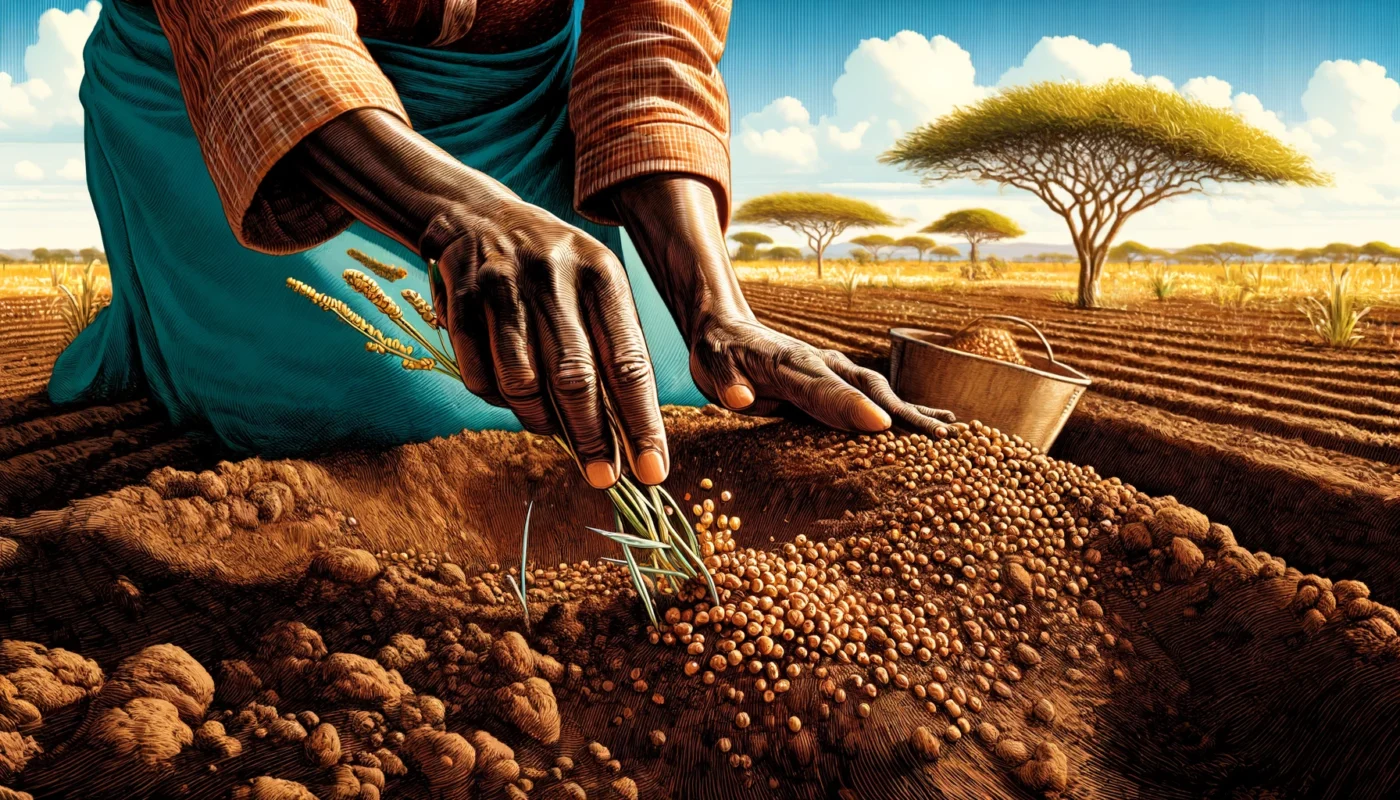
Botswana agriculture refers to the farming practices, crop production, livestock rearing, and overall agricultural economy in the Republic of Botswana, a landlocked country in Southern Africa. Agriculture in Botswana is primarily characterized by subsistence farming, cattle ranching, and small-scale crop production. Despite its semi-arid climate and limited arable land, agriculture remains a crucial sector for rural livelihoods and food security in the country.
Understanding Botswana Agriculture
Introduction
Agriculture in Botswana plays a vital role in the country’s economy, particularly for rural communities. The sector is dominated by livestock farming, especially cattle ranching, which has cultural and economic significance. Crop production is limited due to climatic conditions, but efforts to enhance agricultural productivity through modernization and sustainable practices are ongoing.
Key Agricultural Regions in Botswana
1. Eastern Botswana
The eastern region, including areas around the Limpopo River, has relatively better rainfall and soil fertility. It supports mixed farming practices, including crop production and livestock rearing.
 Did you fall off the barn roof and bust your keister? Life on the farm or ranch can be tough on the bum. Need a break? Laugh it off at FarmerCowboy.com, the #1 farm humor site. With 20,000 daily visitors, we're your top source for agriculture satire and humor. Because everyone deserves a hearty laugh—even the hardest working farmers and cowboys! Join us and turn those long days into fun tales at FarmerCowboy.com.
2. Central Kalahari
This region is characterized by semi-arid conditions and sandy soils. Farming here is challenging, but some communities practice livestock farming and grow drought-resistant crops.
3. Okavango Delta and Northwest
The northwest region, including the Okavango Delta, has pockets of fertile land and water resources. This area supports both traditional farming and innovative agricultural practices, including horticulture and agro-tourism.
Major Crops and Livestock
1. Crops
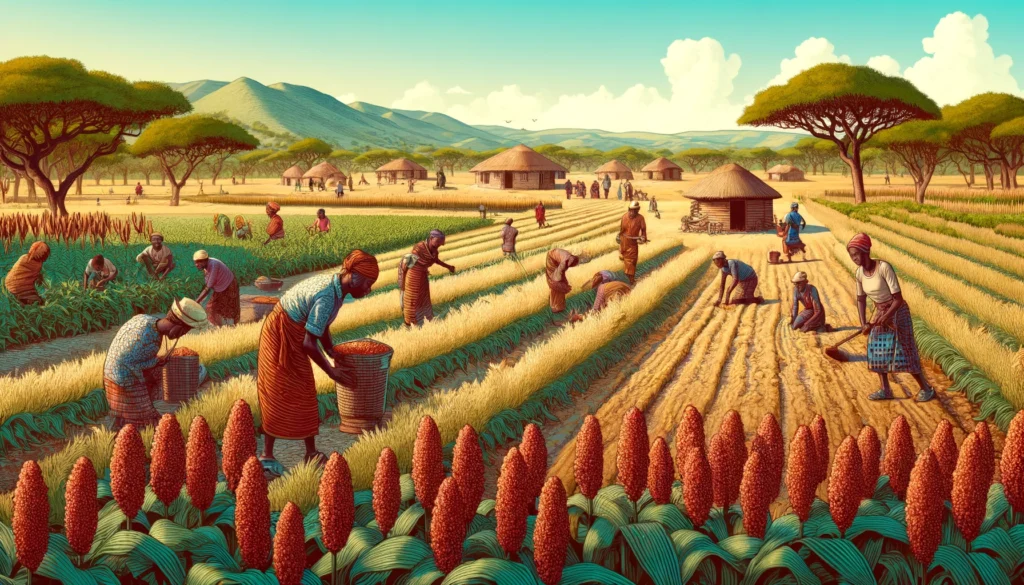
- Sorghum: A staple cereal crop that is drought-resistant and commonly grown in Botswana.
- Maize: Another important cereal crop, though its production is limited by the country’s arid climate.
- Millet: Grown in areas with low rainfall, millet is a staple food for many rural communities.
- Pulses and Beans: Legumes are cultivated for both consumption and soil fertility improvement.
- Horticultural Crops: Vegetables and fruits such as tomatoes, cabbage, spinach, and melons are grown, particularly in areas with better water availability.
2. Livestock
- Cattle: The cornerstone of Botswana’s agriculture, cattle are raised for beef production, milk, and as a source of wealth and social status.
- Goats and Sheep: Commonly reared for meat, milk, and skins, particularly in semi-arid regions.
- Poultry: Chickens are widely raised for eggs and meat, contributing to household food security and income.
Agricultural Practices and Techniques
1. Traditional Farming
Traditional farming methods include mixed farming, manual labor, and the use of simple tools. Crop rotation and intercropping are common practices to manage soil fertility and pests.
2. Livestock Management
Livestock farming involves extensive grazing systems, with cattle often raised on communal lands. Herding and rotational grazing are used to manage pasture and water resources.
3. Modernization Efforts
Efforts to modernize agriculture in Botswana include the introduction of improved seed varieties, mechanization, irrigation systems, and sustainable farming practices. These initiatives aim to increase productivity and resilience to climate change.
4. Conservation Agriculture
Conservation agriculture practices, such as minimum tillage, cover cropping, and integrated pest management, are promoted to improve soil health, water retention, and crop yields.
Challenges Facing Botswana Agriculture
Climate Change
Botswana’s agriculture is highly vulnerable to climate change, with increasing temperatures, unpredictable rainfall, and frequent droughts affecting crop and livestock production.
Water Scarcity
Limited water resources and frequent droughts pose significant challenges to both crop production and livestock farming. Efficient water management and irrigation are critical for agricultural sustainability.
Land Degradation
Soil erosion, overgrazing, and deforestation contribute to land degradation, reducing the availability of fertile land for agriculture.
Limited Access to Inputs
Many farmers face challenges in accessing quality seeds, fertilizers, credit, and extension services, which hampers efforts to improve agricultural productivity.
Market Access
Smallholder farmers often struggle with limited market access, affecting their ability to sell produce at fair prices. Infrastructure deficits and market information gaps are key issues.
Steps to Enhance Botswana Agriculture
1. Improve Water Management
Investing in water harvesting, storage, and efficient irrigation systems is crucial to mitigate the impacts of water scarcity and improve agricultural productivity.
2. Promote Climate-Smart Agriculture
Adopting climate-smart agricultural practices, such as drought-resistant crop varieties, conservation agriculture, and sustainable grazing, can enhance resilience to climate change.
3. Enhance Access to Inputs
Improving access to quality seeds, fertilizers, credit, and extension services can help farmers increase productivity and income. Efforts should focus on making these resources affordable and accessible.
4. Strengthen Market Linkages
Developing better market linkages through infrastructure improvements, market information systems, and support for farmer cooperatives can help farmers secure better prices and reduce dependency on intermediaries.
5. Invest in Research and Development
Investing in agricultural research and development can lead to the development of improved crop varieties, better pest and disease management strategies, and innovative farming techniques tailored to Botswana’s specific conditions.
Case Studies of Agricultural Success in Botswana
1. Livestock Traceability System
Botswana’s Livestock Identification and Trace-back System (LITS) is a successful initiative that ensures the traceability of cattle from farm to market. This system has improved the quality of beef exports and increased access to international markets.
2. Integrated Farming Projects
Integrated farming projects, such as those in the Okavango Delta, combine crop production, livestock rearing, and agro-tourism. These projects have demonstrated the potential for diversified income streams and sustainable agriculture.
Conclusion
Agriculture in Botswana is a vital sector for rural livelihoods and food security. Despite challenges such as climate change, water scarcity, and limited access to resources, efforts to modernize and promote sustainable practices are essential for enhancing productivity and resilience. Addressing these challenges requires concerted efforts from the government, private sector, and development partners. By fostering innovation, improving market access, and promoting sustainable practices, Botswana can achieve a more prosperous and resilient agricultural sector.
How Knowledge of Botswana Agriculture Can Help Farmers
Understanding the agricultural landscape of Botswana, including the main crops, farming practices, and challenges, can help farmers make informed decisions and adopt best practices. Knowledge of sustainable farming techniques, market access strategies, and climate resilience measures can empower farmers to improve productivity, enhance food security, and increase their incomes. This knowledge is crucial for building a resilient and sustainable agricultural sector in Botswana.
Continent: Africa
Nation: Botswana
Capital: Gaborone
Population: 2,588,423
Area: 581,726 km2 (224,606 sq mi)
Originally posted 2007-06-23 15:46:54.
Searching for some good ol' Farm-tastic Fun, Udderly Hilarious Dairy Tales, Insightful Ranching Revelations, and Rip-roaring Rodeo Antics?
