
 by
by Definition: San Marino Agriculture
San Marino agriculture refers to the farming practices, crop production, livestock rearing, and overall agricultural economy of the Republic of San Marino, a small landlocked microstate surrounded by Italy. Agriculture in San Marino is a minor sector compared to tourism and other services but remains an essential part of the country’s cultural heritage and local economy. The agricultural activities include the cultivation of crops, vineyards, olive groves, and livestock rearing.
Understanding San Marino Agriculture
Introduction
Agriculture in San Marino is characterized by small-scale farming operations, focusing on high-quality produce, traditional farming methods, and sustainable practices. The sector contributes to local food production, preserving agricultural landscapes, and supporting rural livelihoods. Despite the challenges posed by limited land area and urbanization, efforts to maintain and enhance agricultural activities are ongoing.
Key Agricultural Regions in San Marino
San Marino, due to its small size, does not have distinct agricultural regions like larger countries. However, its hilly terrain and Mediterranean climate provide suitable conditions for a variety of agricultural activities, primarily in the rural outskirts of the main urban areas.
 Did you fall off the barn roof and bust your keister? Life on the farm or ranch can be tough on the bum. Need a break? Laugh it off at FarmerCowboy.com, the #1 farm humor site. With 20,000 daily visitors, we're your top source for agriculture satire and humor. Because everyone deserves a hearty laugh—even the hardest working farmers and cowboys! Join us and turn those long days into fun tales at FarmerCowboy.com.
Major Crops and Livestock
1. Crops
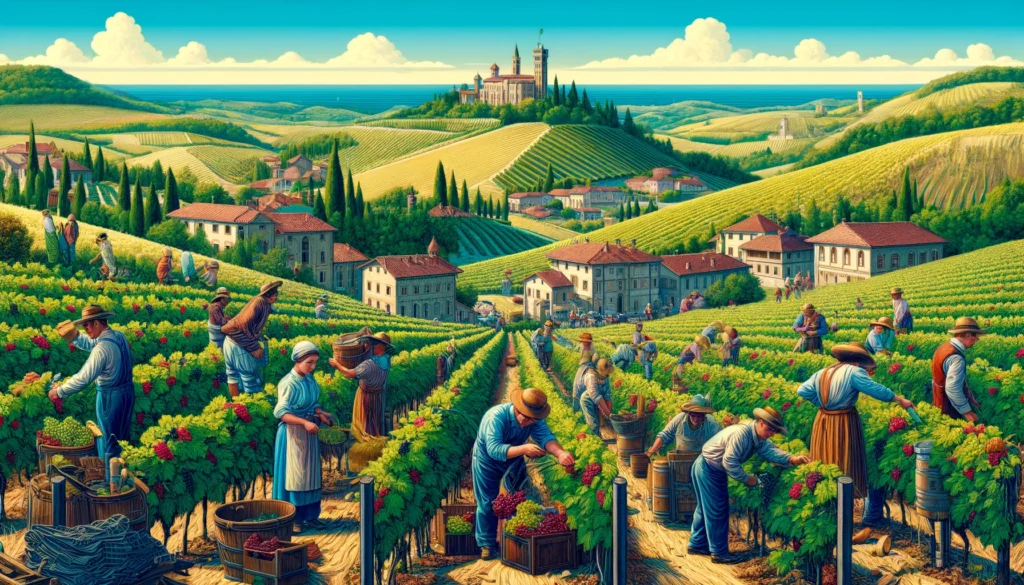
- Grapes: Viticulture is a prominent activity, with vineyards producing grapes for local wine production.
- Olives: Olive groves are common, and olives are used to produce high-quality olive oil.
- Cereals: Wheat and barley are cultivated on a smaller scale for local consumption.
- Vegetables and Fruits: Various vegetables and fruits are grown in small plots and family gardens, including tomatoes, peppers, zucchini, apples, and pears.
2. Livestock
- Cattle: Raised for meat and dairy products, though on a smaller scale.
- Sheep and Goats: Kept primarily for meat and milk, contributing to local cheese production.
- Poultry: Chickens and other poultry are raised for eggs and meat, supporting household food security.
Agricultural Practices and Techniques
1. Traditional Farming
Traditional farming methods are prevalent, including manual labor, crop rotation, and the use of organic fertilizers. These methods are well-suited to the small-scale nature of San Marino’s agriculture.
2. Viticulture and Olive Cultivation
Specialized farming techniques for viticulture and olive cultivation are practiced, focusing on quality rather than quantity. This includes careful pruning, harvesting by hand, and organic pest management.
3. Sustainable Farming Practices
There is a strong emphasis on sustainable farming practices, including organic farming, conservation agriculture, and integrated pest management. These practices aim to maintain soil health, reduce environmental impact, and ensure long-term productivity.
Challenges Facing San Marino Agriculture
Limited Land Area
As one of the smallest countries in the world, San Marino has limited arable land, which restricts the scale of agricultural activities and potential expansion.
Urbanization
Urbanization and infrastructure development pose challenges to preserving agricultural land and maintaining rural landscapes.
Market Access
Farmers in San Marino face challenges in accessing broader markets due to the small scale of production and competition from larger neighboring regions in Italy.
Climate Change
Climate change impacts, such as unpredictable weather patterns and extreme weather events, pose risks to crop and livestock production.
Steps to Enhance San Marino Agriculture
1. Promote High-Quality Products
Focusing on the production and marketing of high-quality, niche products such as wines, olive oils, and specialty cheeses can help differentiate San Marino’s agricultural products and attract premium markets.
2. Support Sustainable Practices
Encouraging the adoption of sustainable farming practices, including organic farming and agroecology, can help maintain soil fertility, protect the environment, and ensure long-term agricultural productivity.
3. Develop Agritourism
Integrating agritourism with traditional farming can provide additional income streams for farmers. Agritourism activities such as farm stays, vineyard tours, and olive oil tasting can attract tourists and raise awareness about local agriculture.
4. Strengthen Local Markets
Developing local farmers’ markets, community-supported agriculture (CSA) programs, and direct sales initiatives can help farmers reach local consumers and strengthen the local food system.
5. Enhance Agricultural Education and Training
Providing education and training opportunities for farmers on modern agricultural techniques, sustainable practices, and business management can help improve productivity and sustainability.
Case Studies of Agricultural Success in San Marino
1. San Marino Wine Consortium
The San Marino Wine Consortium supports local winemakers by promoting high-quality wine production, facilitating access to markets, and organizing events and tastings. This has helped elevate the reputation of San Marino wines both locally and internationally.
2. Organic Olive Oil Production
Several farms in San Marino have transitioned to organic olive oil production, focusing on sustainability and quality. These producers have successfully marketed their olive oil as a premium product, attracting both local and international customers.
Conclusion
Agriculture in San Marino, while small in scale, plays a significant role in preserving the country’s cultural heritage, supporting rural livelihoods, and contributing to local food production. By focusing on high-quality products, promoting sustainable practices, and integrating agritourism, San Marino can enhance its agricultural sector. Addressing challenges such as limited land area, urbanization, and climate change requires concerted efforts from the government, farmers, and the community. Through innovation, education, and strategic marketing, San Marino can maintain a vibrant and sustainable agricultural sector.
How Knowledge of San Marino Agriculture Can Help Farmers
Understanding the agricultural landscape of San Marino, including the main crops, farming practices, and challenges, can help farmers make informed decisions and adopt best practices. Knowledge of sustainable farming techniques, market access strategies, and niche product development can empower farmers to improve productivity, enhance food security, and increase their incomes. This knowledge is crucial for building a resilient and sustainable agricultural sector in San Marino.
Continent: Europe
Nation: San Marino
Capital: San Marino
Population: 33745
Area: 61 km2 (24 sq mi)
We are currently researching and compiling the farm and ranch directory for San Marino. Please check back in a reasonable amount of time.
Searching for some good ol' Farm-tastic Fun, Udderly Hilarious Dairy Tales, Insightful Ranching Revelations, and Rip-roaring Rodeo Antics?
