by
by Bahrain Agriculture
Bahrain agriculture refers to the farming practices, crop production, livestock rearing, and overall agricultural economy of the Kingdom of Bahrain, an island country in the Persian Gulf. Despite its arid climate and limited natural resources, agriculture in Bahrain plays a significant role in local food production and cultural heritage. Agricultural activities include crop farming, livestock rearing, and aquaculture.
Understanding Bahrain Agriculture
Introduction
Agriculture in Bahrain is characterized by efforts to optimize limited water resources and arable land. The sector is small compared to other economic activities such as oil and finance but remains important for food security and the preservation of traditional farming practices. Modern technologies and sustainable practices are increasingly being adopted to enhance agricultural productivity and resilience.
Key Agricultural Regions in Bahrain
Due to its small size, Bahrain does not have distinct agricultural regions like larger countries. Agricultural activities are spread across various parts of the island, with farms located in areas where water resources are available, such as near natural springs and treated wastewater sources.
 Did you fall off the barn roof and bust your keister? Life on the farm or ranch can be tough on the bum. Need a break? Laugh it off at FarmerCowboy.com, the #1 farm humor site. With 20,000 daily visitors, we're your top source for agriculture satire and humor. Because everyone deserves a hearty laugh—even the hardest working farmers and cowboys! Join us and turn those long days into fun tales at FarmerCowboy.com.
Major Crops and Livestock
1. Crops
- Date Palms: Dates are one of the most important and traditional crops in Bahrain, with numerous varieties grown for local consumption and export.
- Vegetables: Various vegetables such as tomatoes, cucumbers, peppers, and leafy greens are cultivated using greenhouse and open-field methods.
- Fruits: Fruits such as bananas, citrus fruits, and melons are grown in smaller quantities.
- Forage Crops: Alfalfa and other forage crops are grown to support livestock farming.
2. Livestock
- Cattle: Raised for meat and dairy production, though on a limited scale due to resource constraints.
- Sheep and Goats: Commonly reared for meat and milk, important for traditional diets and cultural practices.
- Poultry: Chickens are widely raised for eggs and meat, contributing significantly to local food security.
- Aquaculture: Fish farming, particularly of species like tilapia, has been developed to supplement wild fish catches and meet local demand.
Agricultural Practices and Techniques
1. Traditional Farming
Traditional farming methods, including the use of manual labor and small-scale irrigation, are still practiced, especially in date palm cultivation and small vegetable plots.
2. Greenhouse Farming
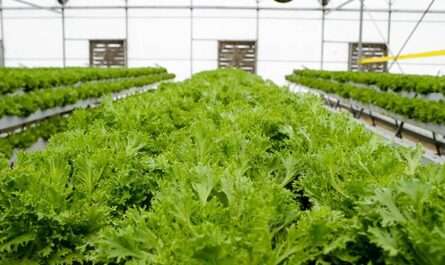
Greenhouse farming is increasingly adopted to grow vegetables and fruits in a controlled environment, optimizing water use and extending the growing season.
3. Hydroponics and Aquaponics
Innovative methods such as hydroponics and aquaponics are being implemented to grow crops without soil, using nutrient-rich water solutions. These techniques are particularly suited to Bahrain’s limited arable land and water resources.
4. Drip Irrigation
Drip irrigation systems are widely used to conserve water and improve the efficiency of irrigation. This method delivers water directly to the plant roots, reducing evaporation and runoff.
5. Sustainable Farming Practices
There is a growing emphasis on sustainable farming practices, including organic farming, integrated pest management, and the use of treated wastewater for irrigation. These practices aim to reduce environmental impact and ensure long-term productivity.
Challenges Facing Bahrain Agriculture
Water Scarcity
Water scarcity is the most significant challenge for agriculture in Bahrain. The country relies heavily on desalinated water and treated wastewater for irrigation, making efficient water use critical.
Limited Arable Land
Bahrain’s small land area and arid climate limit the amount of arable land available for agriculture. Urbanization and land degradation further constrain agricultural expansion.
Climate Change
Climate change impacts, such as increasing temperatures and changing rainfall patterns, pose risks to agricultural productivity and sustainability.
Market Access
Farmers in Bahrain face challenges in accessing broader markets due to the small scale of production and competition from imported agricultural products.
Steps to Enhance Bahrain Agriculture
1. Optimize Water Use
Implementing advanced irrigation techniques, such as drip irrigation and hydroponics, can help maximize water efficiency. Expanding the use of treated wastewater for agriculture is also essential.
2. Promote Sustainable Practices
Encouraging sustainable farming practices, including organic farming, integrated pest management, and the use of renewable energy, can help improve productivity and reduce environmental impact.
3. Invest in Research and Development
Investing in agricultural research and development can lead to the development of innovative farming techniques, improved crop varieties, and better pest and disease management strategies tailored to Bahrain’s specific conditions.
4. Strengthen Market Linkages
Developing better market linkages through local farmers’ markets, community-supported agriculture (CSA) programs, and direct sales initiatives can help farmers reach local consumers and reduce reliance on imports.
5. Enhance Climate Resilience
Implementing climate-smart agriculture practices, such as drought-resistant crop varieties and efficient water management, can help farmers adapt to changing climatic conditions and maintain productivity.
Case Studies of Agricultural Success in Bahrain
1. Bahrain Hydroponics Farm
A leading example of innovative farming in Bahrain is the Bahrain Hydroponics Farm, which uses soilless cultivation methods to produce high-quality vegetables with minimal water use. This farm demonstrates the potential of hydroponics to enhance food security and sustainability in arid environments.
2. Date Palm Cultivation Projects
Various projects have been undertaken to preserve and promote date palm cultivation, focusing on improving irrigation techniques, pest management, and post-harvest processing. These initiatives have helped maintain date palm as a significant crop in Bahrain’s agriculture.
3. Fish Farming Initiatives
Aquaculture projects, such as tilapia farming, have been developed to supplement wild fish stocks and provide a sustainable source of protein. These initiatives have contributed to food security and diversified agricultural activities in Bahrain.
Conclusion
Agriculture in Bahrain, while limited by natural resource constraints, plays a crucial role in local food production, cultural heritage, and economic sustainability. By adopting innovative and sustainable farming practices, optimizing water use, and enhancing market linkages, Bahrain can improve agricultural productivity and resilience. Addressing challenges such as water scarcity, limited arable land, and climate change requires concerted efforts from the government, private sector, and research institutions. Through innovation and strategic planning, Bahrain can maintain a vibrant and sustainable agricultural sector.
How Knowledge of Bahrain Agriculture Can Help Farmers
Understanding the agricultural landscape of Bahrain, including the main crops, farming practices, and challenges, can help farmers make informed decisions and adopt best practices. Knowledge of sustainable farming techniques, water conservation strategies, and market access can empower farmers to improve productivity, enhance food security, and increase their incomes. This knowledge is crucial for building a resilient and sustainable agricultural sector in Bahrain.

Continent: Asia
Nation: Bahrain
Capital: Manama
Population: 1,463,265
Area: 760 km2 (293 sq mi)
We are currently researching and compiling the farm and ranch directory for Bahrain. Please check back in a reasonable amount of time.
Searching for some good ol' Farm-tastic Fun, Udderly Hilarious Dairy Tales, Insightful Ranching Revelations, and Rip-roaring Rodeo Antics?