United States

United States

Agriculture in the United States

Nation: United States

Capital: Washington D.C.
Population: 336,997,624
Area: 9,826,630 km2 (3,794,083 sq mi)

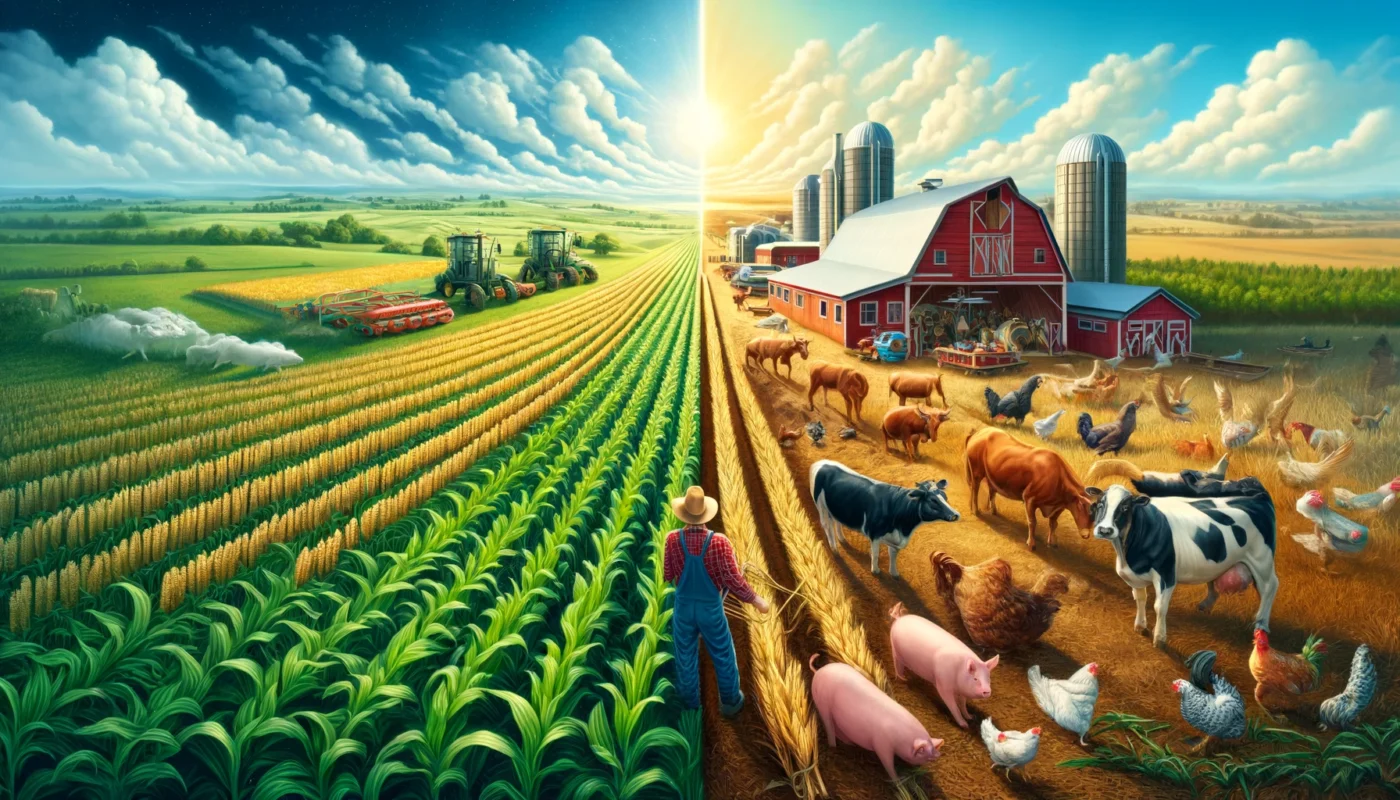
The landscape of American agriculture is as vast and diverse as the country itself, encompassing everything from sprawling ranches and cornfields to boutique organic farms and high-tech greenhouses. This analysis delves into the current state, challenges, and future prospects of agriculture in the United States, providing a comprehensive overview of this critical industry.

Current State of U.S. Agriculture

The agricultural sector in the United States is a cornerstone of the national economy and a pivotal element in the global food supply chain. Spanning vast geographic and climatic zones, U.S. agriculture produces a diverse array of crops and livestock, supporting not just local economies but also international markets.


Logo Bull (2) Did you fall off the barn roof and bust your keister? Life on the farm or ranch can be tough on the bum. Need a break? Laugh it off at FarmerCowboy.com, the #1 farm humor site. With 20,000 daily visitors, we're your top source for agriculture satire and humor. Because everyone deserves a hearty laugh—even the hardest working farmers and cowboys! Join us and turn those long days into fun tales at FarmerCowboy.com.

Major Crop Production

The U.S. is a leading global producer of several vital crops, with the agricultural landscape dominated by grains such as corn, soybeans, and wheat. According to the USDA, the U.S. produced over 14.2 billion bushels of corn in the 2020-2021 growing season, making it the largest crop in terms of volume. Corn is primarily used within the country for animal feed and ethanol production, with a significant portion also exported.

Soybeans are the second-largest crop, pivotal not just for their oil but also as a protein-rich feed for livestock. The U.S. soybean industry also significantly impacts the global market, especially in China, where American soybeans contribute to meeting the vast demand for animal feed. Wheat, while third in production volume, is critical for human consumption, both domestically and internationally, with significant exports to Asia and Europe.

Fruits and Vegetables

The fruit and vegetable sectors are more regionally specialized due to climatic and soil requirements. California, Florida, and Washington are the leaders in U.S. fruit production, thanks to their favorable weather conditions. California alone produces nearly all the nation’s almonds, a crop that has grown in economic importance parallel to rising global demand for healthy snack options.

Vegetable production is similarly concentrated, with states like California and Florida leading in output. The U.S. excels in the production of tomatoes, lettuce, and onions, providing essential nutrients to the American diet and supporting a vibrant domestic food processing industry.

Dairy and Livestock

The U.S. dairy industry is a significant part of the agricultural framework, with a major concentration in states like California, Wisconsin, and New York. Milk production in the U.S. has been steadily increasing, thanks to advancements in dairy farming technology and genetic management, which have increased per-animal milk output.

Beef and pork industries are also central to U.S. agriculture, with states like Texas, Nebraska, and Iowa leading in production. These industries are supported by the extensive production of feed grains such as corn and soybeans, illustrating the interconnected nature of different agricultural sectors.

Technological Advancements

In recent decades, American agriculture has been transformed by technology, enhancing efficiency and productivity across all sectors.

Precision Agriculture

Precision agriculture is at the forefront of this transformation. Utilizing GPS and IoT sensors, farmers can now monitor crop conditions in real-time, adjusting inputs like water, fertilizer, and pesticides to match the precise needs of each plant. This technology not only maximizes yield but also minimizes waste and environmental impact.

Drones and Robotics

Drones are increasingly used for aerial surveys of crop health, allowing for early detection of diseases or pest infestations. Robotics, too, has begun to make an indelible mark, particularly in harvesting processes where labor shortages are most acute. Robotic systems can perform everything from picking fruits to milking cows, offering both labor savings and improvements in product quality.

Biotechnology

Genetic engineering and CRISPR technology are revolutionizing crop and livestock production by making them more resistant to diseases and pests, and by enhancing their growth characteristics. For instance, drought-resistant crops developed through genetic modifications are increasingly important as water scarcity issues rise.

Economic Impact

Agriculture’s contribution to the U.S. economy extends far beyond the farm gate. While direct farming activities contribute a significant portion to the national GDP, the broader impacts include food processing, distribution, and retail sectors, which are integral to the national economy.

Employment

The agricultural sector directly employs millions of Americans, from farm workers to scientists and engineers in agribusiness companies. The ripple effects in related industries such as farm equipment manufacturing, food processing, and logistics are substantial, underscoring the sector’s role as a major employment driver.

Exports

The U.S. is one of the world’s largest agricultural exporters, with products shipped worldwide. This trade not only supports domestic agriculture but also plays a critical role in global food security. Key export commodities include grains, meat, dairy products, and specialty crops such as fruits and nuts.

Challenges and Opportunities

Despite its strengths, U.S. agriculture faces numerous challenges, including labor shortages, climate change, and shifts in consumer preferences towards sustainable and organic products. However, these challenges also present opportunities for innovation and growth, particularly in areas like sustainable agriculture, organic farming, and the development of alternative proteins.

In conclusion, the current state of U.S. agriculture is a dynamic and evolving landscape, marked by diversity in production, cutting-edge technological adoption, and a significant economic impact on both a national and global scale. As it continues to adapt to new challenges and opportunities, it remains a vital component of the nation’s economic infrastructure.

Sustainability Initiatives

One of the most significant trends in U.S. agriculture is the shift toward sustainable farming practices. As environmental concerns become more prominent, farmers are increasingly adopting methods that reduce the impact on the environment while maintaining or even enhancing productivity.

Regenerative Agriculture

Regenerative agriculture focuses on techniques that rebuild and maintain soil health, such as crop rotation, cover cropping, and reduced-tillage farming. These practices not only enhance soil fertility but also help capture carbon in the soil, contributing to climate change mitigation.

Water Management

Efficient water use is critical, particularly in water-scarce regions like California. Technologies such as drip irrigation and moisture sensors are becoming commonplace, allowing farmers to use water more judiciously. These innovations are crucial for sustainability, as they help preserve this vital resource while ensuring crops receive the necessary hydration to thrive.

Integrated Pest Management (IPM)

IPM is an ecological approach that combines different management strategies and practices to grow healthy crops and minimize the use of pesticides. By using a combination of biological, cultural, physical, and chemical tools, farmers can effectively manage pest populations at an economically acceptable level while causing less harm to the environment.

Consumer Trends Impacting Agriculture

The preferences of consumers are shaping agricultural practices significantly. There is a growing demand for organic products, non-GMO foods, and items that are perceived as healthier or more natural. This shift is driving changes in how crops are grown and how animals are raised.

Organic Farming

The organic food sector has seen explosive growth. Farmers are transitioning to organic methods to meet consumer demand, driven by perceptions of better health benefits and lower environmental impact. This transition often requires significant changes in farm management, including the use of natural pest control methods and organic fertilizers.

Plant-Based Trends

The rise in vegetarianism and veganism has spurred growth in the cultivation of crops used in alternative proteins, such as legumes and hemp. This trend is not only altering crop portfolios but also impacting the feedstock for livestock, as there is less demand for animal-based protein sources in some demographics.

Looking Ahead: The Role of Policy and Research

The future of American agriculture will likely be shaped by ongoing research and the regulatory environment. Policy decisions regarding trade, subsidies, and environmental regulations will continue to influence the sector’s economic landscape.

Agricultural Research and Innovation

Continued investment in agricultural research is vital for addressing the upcoming challenges related to climate change, sustainability, and food security. Innovations in genetic engineering, pest management, and resource-efficient farming practices will be crucial for enhancing productivity and environmental sustainability.

Government Policies and Subsidies

Government policies play a critical role in agriculture by providing financial support through subsidies, regulating the use of chemicals and practices to ensure safety, and negotiating trade agreements that open up foreign markets. The Farm Bill, which is revised every five years, is particularly significant as it determines policy ranging from crop insurance and subsidies to conservation and rural development programs.

Global Trade and Market Dynamics

As global demographics and economic conditions evolve, the U.S. agricultural sector must adapt to changing global market conditions. Trade agreements and international relations will play a significant role in determining export opportunities and competition from foreign producers.

The Current State of U.S. Agriculture Conclusion

The current state of U.S. agriculture reflects a sector at the intersection of tradition and innovation. While rooted in a rich history of farming, it is also on the cutting edge of technological and biological research. The sector’s ability to adapt to new challenges and opportunities will be crucial for its continued success and sustainability. As it moves forward, the combination of informed policy-making, continued technological advancement, and responsive market strategies will be key to navigating the complexities of global food production and environmental stewardship.

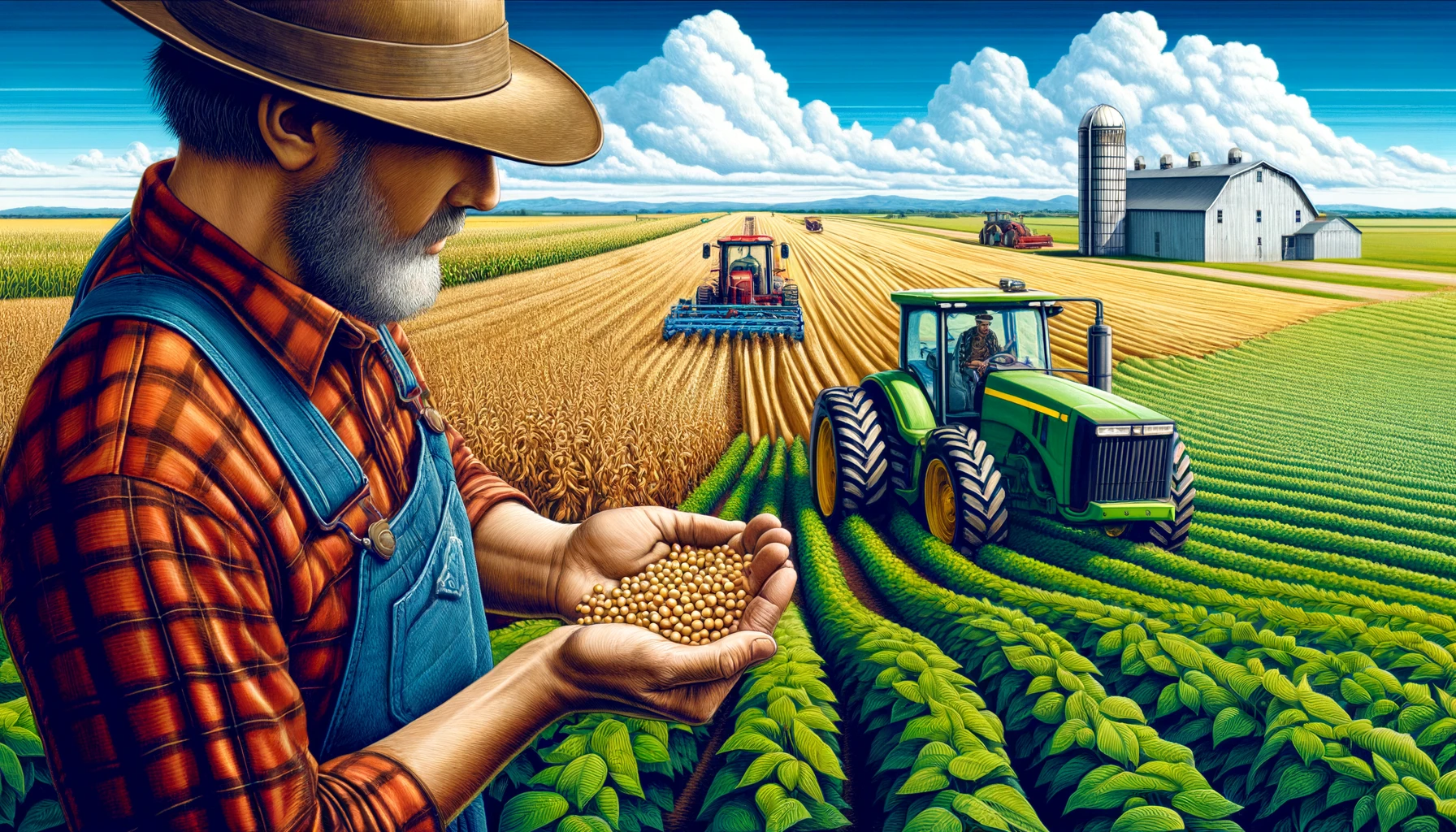
Agriculture Directory A wide, vividly detailed illustration of a bustling American farm scene focused on row crop farming. Tractors are actively plowing through fields of c (2)
Agriculture Directory — The agricultural sector in the United States, while robust and versatile, faces a multitude of challenges that could impact its productivity and sustainability.


Challenges Facing U.S. Agriculture

The agricultural sector in the United States, while robust and versatile, faces a multitude of challenges that could impact its productivity and sustainability. From environmental stresses to economic pressures and labor issues, these challenges require innovative solutions and strategic planning to ensure the longevity and success of U.S. farming.

Climate Change and Environmental Impact

Increasing Weather Volatility

Climate change presents perhaps the most formidable challenge for agriculture globally, and the U.S. is no exception. Increased variability in weather patterns, including severe droughts, floods, and unpredictable seasonal changes, directly affects farming operations. For instance, the Midwest, known as the Corn Belt, has experienced more frequent and severe flooding in recent years, disrupting planting seasons and damaging crops. Conversely, California, a major hub for fruits and vegetables, has faced prolonged droughts, severely stressing water resources.

Impact on Crop Yields and Livestock

The stress of changing climate conditions not only reduces the viability of current cropping systems but also can lead to decreased livestock productivity. Heat stress affects the health of animals, particularly dairy cows, reducing milk production and reproductive efficiency. Crop yields, too, are projected to decline due to extreme temperatures and altered precipitation patterns, threatening the supply of staple foods like corn and wheat.

Adaptive Strategies and Research Needs

Addressing the impacts of climate change requires significant investment in research to develop more resilient crop varieties and farming techniques that can withstand extreme weather conditions. Moreover, farmers are increasingly turning to water conservation techniques and exploring alternative water sources to combat water scarcity.

Labor Challenges in Agriculture

Aging Farmer Population

The demographic trends in the U.S. farming sector reveal an aging population of farmers, with the average age approaching 60. This aging workforce poses significant challenges for the continuity of farming operations, as fewer young people are entering the profession due to the high costs of entry, the hard physical labor involved, and the uncertain financial rewards.

Dependency on Immigrant Labor

Agriculture in the U.S. heavily relies on immigrant labor, particularly for seasonal and intensive labor tasks such as planting, cultivating, and harvesting. Changes in immigration policy or restrictions can severely impact the availability of labor, leading to crop losses and increased operational costs due to labor shortages.

Technological Solutions and Policy Support

To mitigate labor shortages, the agricultural sector is increasingly turning to technological solutions such as automation and robotics. However, these technologies require significant capital investments and are not feasible for all farming operations. Hence, supportive government policies are crucial to facilitate the transition to more automated agricultural systems and to ensure a stable labor force.

Sustainability and Environmental Regulations

Pesticide and Chemical Use

The extensive use of pesticides and fertilizers in conventional farming has raised concerns about environmental degradation, including soil depletion, water pollution, and loss of biodiversity. The runoff from agricultural lands contaminates rivers, lakes, and groundwater, affecting both human and ecological health.

Regulatory Frameworks

In response, federal and state governments have implemented stricter regulations on chemical usage in agriculture. Farmers must navigate these regulations, which can be complex and vary significantly from one state to another. Compliance can be costly and time-consuming, particularly for smaller farms.

Transition to Sustainable Practices

The push for sustainable agriculture is not just regulatory but also comes from the market, with consumers increasingly demanding organic and sustainably produced food. Transitioning to such practices often requires changing long-standing farming techniques, a shift that can be economically and logistically challenging for many farmers.

Economic Pressures

Volatility in Commodity Prices

Farm income in the U.S. is highly dependent on commodity prices, which are subject to significant fluctuations due to global supply and demand dynamics. Events like trade disputes can exacerbate this volatility, as seen in recent U.S.-China trade tensions, which impacted soybean exports.

High Operating Costs

Farming requires substantial upfront investments in land, equipment, and inputs, with ongoing costs for maintenance, labor, and compliance with regulatory standards. These high operating costs put considerable financial pressure on farmers, particularly when commodity prices are low.

Need for Financial and Risk Management Tools

To manage economic risks, farmers need access to financial tools and resources, including crop insurance, futures contracts, and other financial instruments. Government programs and policies play a crucial role in providing these resources and in stabilizing the agricultural economy through subsidies and support measures.

Looking Ahead: Addressing Challenges

To address these myriad challenges, a multi-faceted approach is required. This approach involves continued technological innovation, supportive policy frameworks, enhanced sustainability practices, and strengthened supply chain logistics. Collaboration among government bodies, private industry, and educational institutions is crucial to drive research and development in agriculture, ensuring that the sector remains resilient and sustainable in the face of future challenges.

The challenges facing U.S. agriculture are daunting, yet they also offer opportunities for innovation, improvement, and transformation. As the sector continues to adapt and evolve, it holds the potential to overcome these hurdles and emerge stronger, more sustainable, and more productive than ever.

Agriculture Directory A vivid and detailed wide illustration of diverse livestock farming in the USA. The scene includes a variety of animals such as cattle, pigs, and chic
Agriculture Directory – To manage economic risks, farmers need access to financial tools and resources, including crop insurance, futures contracts, and other financial instruments.


Future Prospects of U.S. Agriculture

As the U.S. agriculture sector navigates a myriad of challenges, it also approaches a horizon rich with opportunities for growth, innovation, and sustainability. The future of agriculture in the United States will likely be shaped by advances in technology, shifts in consumer preferences, policy support, and global market dynamics. This final part of the analysis explores the potential directions and developments that could define the next era of American farming.

Emerging Markets and Consumer Trends

Growth of Organic and Non-GMO Markets

Consumer demand for organic and non-GMO products has been rising steadily, driven by health and environmental concerns. According to the Organic Trade Association, sales of organic food have seen double-digit growth in recent years. This trend is pushing more farmers to transition from conventional to organic farming methods, despite the challenges such as higher labor costs and lower yields during the transition period. The non-GMO sector is also expanding, with many consumers willing to pay a premium for these products, thereby opening new market opportunities for farmers.

Plant-Based and Alternative Proteins

The rise in vegetarianism and veganism, particularly among younger consumers, has spurred interest in plant-based diets, which in turn increases the demand for crops like legumes, hemp, and quinoa. These crops are being used to produce alternative proteins that mimic meat, dairy, and other animal products. The innovation in this sector is not just creating new business avenues for farmers but also promoting more diverse and sustainable agricultural practices.

Local and Hyper-Local Farming

There is a growing consumer preference for locally sourced foods, which is encouraging the development of urban agriculture and small-scale farming operations close to urban centers. Technologies such as vertical farming, hydroponics, and aquaponics are enabling the growth of “hyper-local” farming even in areas with limited land availability, reducing transportation costs and improving the freshness of produce.

Technological Advancements and Innovations

Precision Agriculture and Big Data

Continued advancements in precision agriculture will play a crucial role in the future of farming. Technologies that allow for real-time monitoring and management of crop conditions can lead to more efficient use of resources and higher crop yields. Big data analytics is becoming increasingly important, providing insights that help farmers make informed decisions about planting, fertilizing, and harvesting.

Automation and Robotics

The labor challenges in agriculture are likely to be mitigated by further advances in automation and robotics. Automated tractors, drones, and robotic harvesters are expected to become more commonplace, reducing the reliance on human labor and increasing efficiency. Robotics in dairy farms, for instance, has already revolutionized milk production with automated milking systems.

Gene Editing and Biotechnology

CRISPR and other gene-editing technologies hold promise for creating crop varieties that are more resistant to diseases, pests, and environmental stresses. These innovations can significantly increase yield and reduce the dependence on chemical pesticides and fertilizers, contributing to more sustainable agricultural practices.

Policy and Government Support

The Farm Bill and Regulatory Adjustments

The U.S. Farm Bill, which is revised every five years, has a profound impact on agricultural policies. Future iterations of the bill will need to address the changing realities of farming, including issues related to climate change, sustainability, and technology. Policies that promote environmental stewardship, support for organic and non-GMO farming, and investment in agricultural research will be crucial.

Trade Policies and Global Markets

Trade policies also play a critical role in shaping the agricultural sector. Agreements that open up new markets or protect existing ones can have a significant impact on U.S. agriculture. Navigating the complexities of international trade, while ensuring fair practices and competitive pricing for U.S. farmers, will remain a critical challenge for policymakers.

Subsidies and Incentives

Government subsidies and incentives can help mitigate some of the risks associated with farming, especially in sectors that are transitioning to more sustainable practices or adopting expensive new technologies. These financial supports need to be carefully designed to encourage innovation and sustainability without creating market distortions.

Global Influence and Food Security

U.S. Agriculture on the Global Stage

As one of the world’s largest food producers, the U.S. will continue to play a key role in global food security. American agricultural products feed not just the domestic population but also a significant portion of the global community. With increasing global population and the impacts of climate change, the role of U.S. agriculture in feeding the world will only grow in importance.

Climate Change and Global Collaboration

The effects of climate change are global, and they require a global response. The U.S. can lead international efforts to develop agricultural practices that are both productive and sustainable. Collaboration on issues such as genetic research, water management, and sustainable farming practices can help improve food security worldwide.

The Future of US Agriculture – Conclusion

The future of U.S. agriculture is poised at the crossroads of tradition and innovation. As the sector faces the dual challenges of meeting the growing demand for food and doing so in a sustainable manner, it will need to embrace new technologies, adapt to emerging market trends, and respond to environmental challenges. With the right mix of policy support, technological advancement, and market-driven solutions, American agriculture can continue to thrive and lead globally, ensuring food security and environmental sustainability for generations to come.
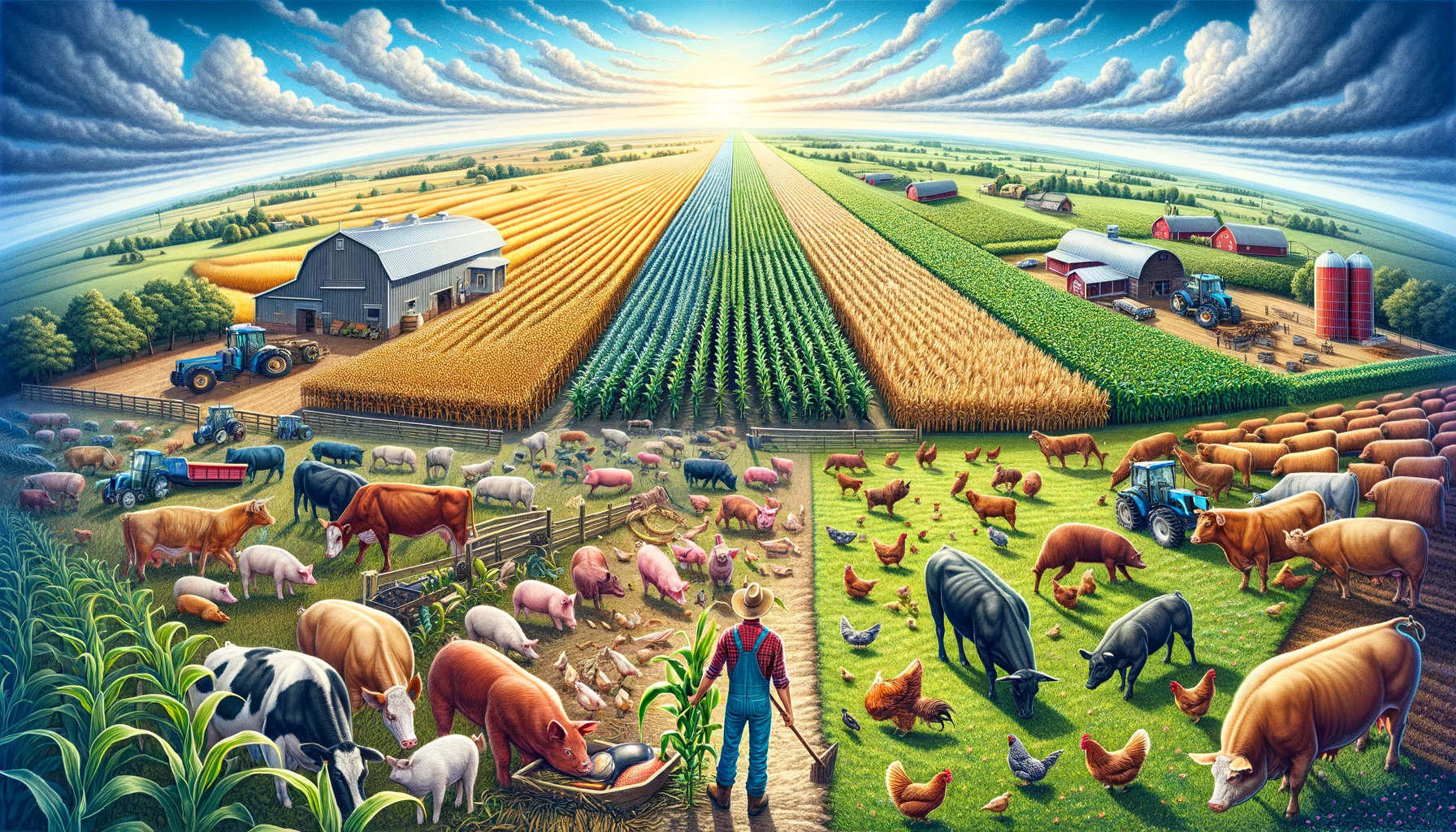
Agriculture Directory A vivid and detailed wide illustration of agriculture in the USA, combining both crop farming and livestock farming. The scene depicts a harmonious bl
Agriculture Directory — The future of U.S. agriculture is poised at the crossroads of tradition and innovation.

Originally posted 2008-04-27 09:20:41.

Alan Nafzger

Professor Alan Nafzger is a distinguished scholar with an illustrious career spanning 57 years, embodying a unique fusion of academic prowess and practical expertise in farming. His academic journey commenced with a Bachelor's degree in Political Science, igniting his exploration of the intricate nexus between politics and agriculture. Building upon this foundation, he pursued a Master's degree in Public Administration, delving deeper into rural development and governance. His academic odyssey culminated in a Ph.D. in Political Science, where he specialized in rural policy and agricultural economics, seamlessly blending his scholarly pursuits with his fervor for farming. Throughout his extensive career, Professor Nafzger has not only enriched the academic realm of political science but has also made profound contributions to the practical domain of farming, ranching, and dairy management. His commitment to bridging theory with practice is evident in his dual roles as an esteemed educator and a dedicated farmer. He imparts his wealth of knowledge by teaching courses on rural policy, agricultural economics, and county administration, all while actively managing his family farm. Here, he not only preaches but also practices the very principles he espouses, thereby enriching the educational experience with real-world insights and experiences. Professor Nafzger's multifaceted expertise and unwavering dedication exemplify the pinnacle of scholarly and practical integration in the realms of academia and agriculture.

View all posts by Alan Nafzger →

Leave a Reply

Your email address will not be published. Required fields are marked *