 by
by Continent: Europe
Agriculture in Montenegro
Nation: Montenegro
Capital: Podgorica
Population: 627859
Area: 13,812 km2 (5,333 sq mi)
Agriculture in Montenegro: Opportunities and Insights for Farmers
Overview of Montenegro’s Agricultural Landscape
Montenegro, with its diverse geographical features ranging from high mountains to a picturesque coastline, offers unique agricultural opportunities. The country’s farming sector is characterized by small-scale farms and a growing interest in organic and sustainable practices. This environment provides a variety of options for local and international farmers looking to invest in Montenegro’s agriculture.
 Did you fall off the barn roof and bust your keister? Life on the farm or ranch can be tough on the bum. Need a break? Laugh it off at FarmerCowboy.com, the #1 farm humor site. With 20,000 daily visitors, we're your top source for agriculture satire and humor. Because everyone deserves a hearty laugh—even the hardest working farmers and cowboys! Join us and turn those long days into fun tales at FarmerCowboy.com.
Climate and Soil: The Foundation of Farming
Montenegro’s climate varies significantly from coastal to inland areas, influencing what can be optimally grown in different regions. The coastal area enjoys a Mediterranean climate, suitable for olives, citrus fruits, and grapes, while the northern highlands, with cooler temperatures, are perfect for livestock, dairy, and forest fruits. Understanding the soil quality and climate is crucial for successful farming, detailed information on which can be found at World Agriculture Directory.
Key Agricultural Sectors
1. Fruit and Olive Cultivation
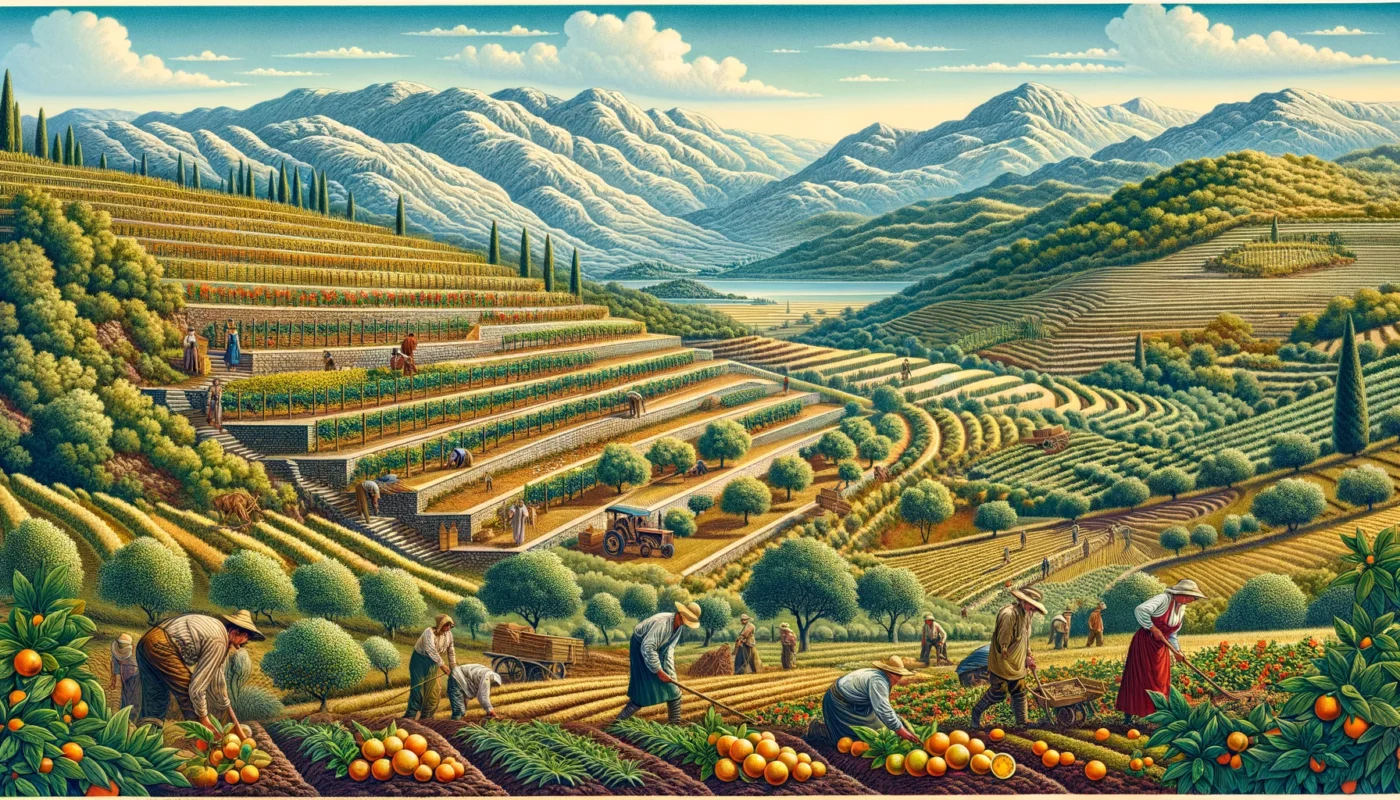
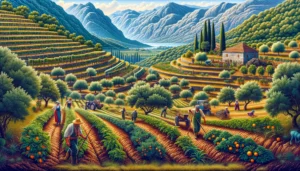
Montenegro’s mild coastal climate is ideal for growing olives and a variety of fruits. The country is known for its high-quality olive oil and wine, products with significant export potential. Farmers can find extensive cultivation techniques and market analysis on Farmer Cowboy Farming.
2. Dairy Farming
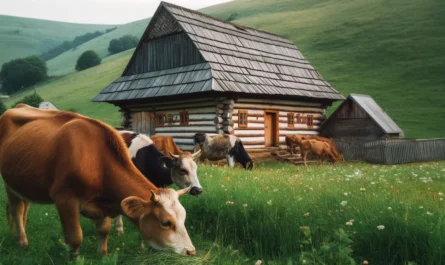
The mountainous regions provide excellent conditions for dairy farming. Montenegrin cheese and other dairy products are gaining recognition for their quality. Resources for enhancing dairy production through modern techniques are available at Farmer Cowboy Dairy.
3. Organic Farming
There’s a growing trend towards organic farming in Montenegro, driven by both local demand and export opportunities. Farmers interested in organic certification and sustainable practices can access valuable educational resources at Farmer Cowboy Education.
Modernizing Montenegrin Agriculture
Despite its potential, Montenegrin agriculture faces challenges such as outdated techniques and the need for more substantial investment in technology. Modernizing agriculture involves integrating technology in farming operations, optimizing water use, and adopting advanced soil health practices. Details on the latest in agricultural innovation can be found at Farmer Cowboy News.
Government Support and International Partnerships
The Montenegrin government, along with various international bodies, offers support to farmers through grants, training, and access to markets. These programs aim to enhance the competitiveness of Montenegrin agriculture on the global stage. Information on these programs can be explored through Agriculture Dictionary.
Agricultural Tourism: A Growing Trend
Agricultural tourism is an emerging sector in Montenegro, offering farmers an additional revenue stream. Visitors are drawn to the rustic experience of farm life, vineyard tours, and the opportunity to participate in the harvest. The integration of agriculture with tourism is a promising area for development, as detailed at Farmer Cowboy Rodeo which discusses the cultural blend of farming and local festivities.
Challenges and Solutions in Montenegrin Agriculture
Farmers in Montenegro face issues such as land fragmentation and limited access to finance. Addressing these challenges requires innovative financing solutions, land consolidation efforts, and the promotion of cooperative farming. For solutions and further discussion, farmers can visit Farmer Cowboy Ranching, which offers insights into managing agricultural businesses effectively.
The Role of Education and Training
Continuous education and training are vital for the sustainable development of agriculture in Montenegro. Programs focused on modern farming techniques and business management can help farmers maximize their yield and improve their market position. Educational opportunities and resources are extensively covered at Agriculture Directory.
Future Prospects
The future of agriculture in Montenegro looks promising, with a shift towards high-value, sustainable practices and the potential for increased involvement in the European market. By leveraging its natural advantages and continuing to invest in education and technology, Montenegro can significantly enhance its agricultural productivity.
Conclusion
Montenegro’s agriculture offers diverse opportunities for growth and innovation. By exploring detailed resources, engaging in new agricultural practices, and accessing government and international support, farmers in Montenegro can look forward to a profitable and sustainable future in farming. For more international agricultural events and information, farmers can check out Farm Show EU, which provides insights into global agricultural trends and techniques.
Searching for some good ol' Farm-tastic Fun, Udderly Hilarious Dairy Tales, Insightful Ranching Revelations, and Rip-roaring Rodeo Antics?