 by
by Tonga Agriculture
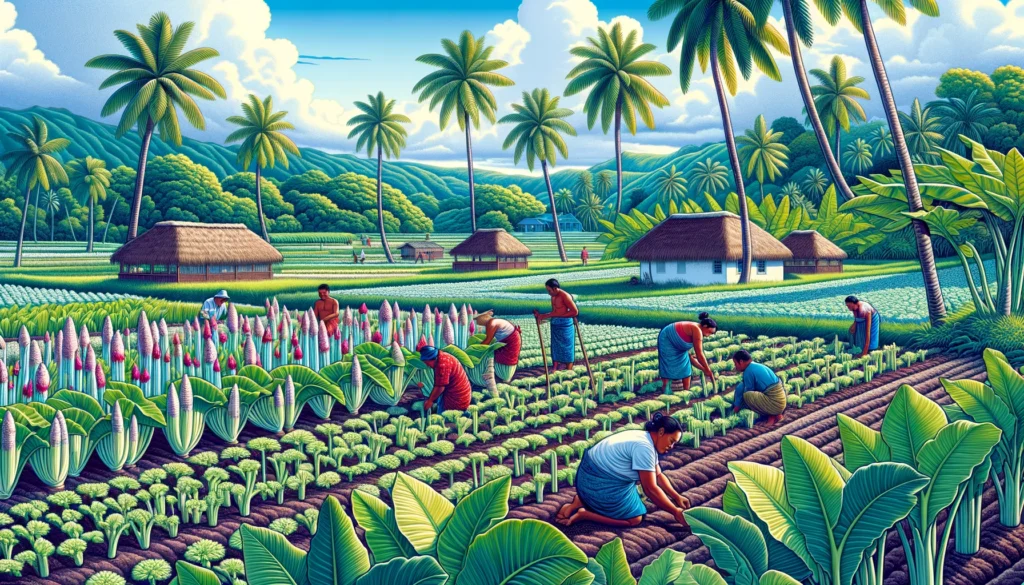
Tonga agriculture refers to the farming practices, crop production, livestock rearing, and overall agricultural economy of the Kingdom of Tonga, a Polynesian country in the South Pacific. Agriculture is a vital sector in Tonga, providing food, employment, and contributing significantly to the country’s GDP. The agricultural activities include subsistence farming, cash crop production, livestock rearing, and fishing.
Understanding Tonga Agriculture
Introduction
Agriculture in Tonga plays a crucial role in the country’s economy and livelihoods. The sector is characterized by a mix of traditional and modern farming practices, focusing on both food crops and export-oriented cash crops. Despite challenges such as limited land resources, climate change, and market access, efforts to enhance agricultural productivity and sustainability are ongoing.
Key Agricultural Regions in Tonga
1. Tongatapu
The largest island, Tongatapu, is the agricultural hub of Tonga. The fertile volcanic soil and relatively consistent rainfall make it ideal for growing a variety of crops, including root crops, vegetables, and fruits. Livestock farming and fishing are also significant activities.
 Did you fall off the barn roof and bust your keister? Life on the farm or ranch can be tough on the bum. Need a break? Laugh it off at FarmerCowboy.com, the #1 farm humor site. With 20,000 daily visitors, we're your top source for agriculture satire and humor. Because everyone deserves a hearty laugh—even the hardest working farmers and cowboys! Join us and turn those long days into fun tales at FarmerCowboy.com.
2. Vava’u
The Vava’u group of islands is known for its diverse agricultural activities, including the cultivation of vanilla, kava, and various fruits and vegetables. Fishing and livestock farming are also important in this region.
3. Ha’apai
Ha’apai has less fertile soil compared to Tongatapu and Vava’u, but it still supports agriculture, focusing on root crops like taro and sweet potatoes, as well as livestock farming and fishing.
4. Eua
Eua is characterized by its rugged terrain and fertile soil, supporting the cultivation of various crops, including root crops, vegetables, and fruits. The island also has significant forestry resources.
Major Crops and Livestock
1. Crops
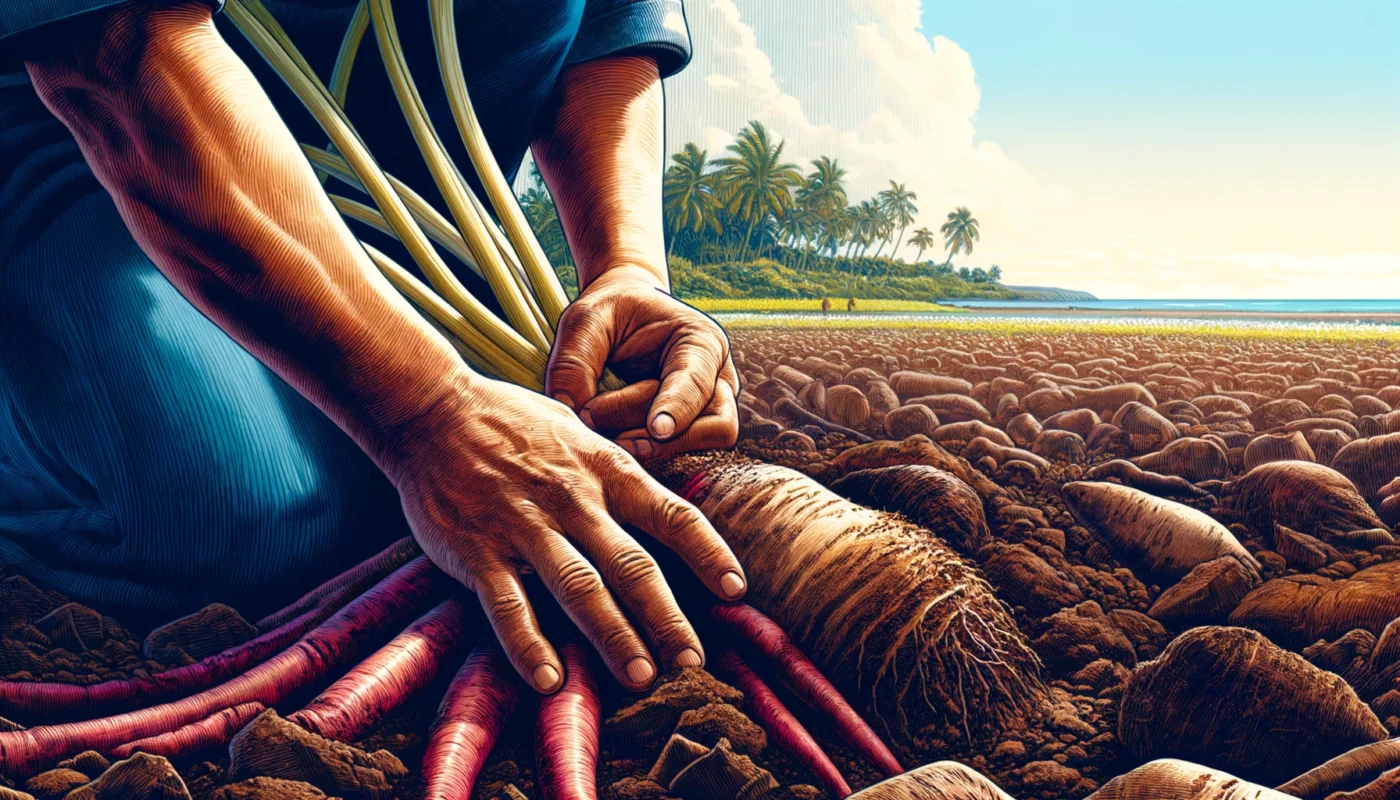
- Taro: A staple root crop grown widely across the islands, important for both local consumption and export.
- Cassava: Another crucial root crop, cassava is a staple food and an important source of carbohydrates.
- Sweet Potatoes: Commonly cultivated for local consumption.
- Yams: A traditional crop with cultural significance, yams are grown mainly for domestic use.
- Coconuts: Widely grown and used for food, oil production, and export.
- Vanilla: A high-value export crop, particularly grown in Vava’u.
- Kava: Cultivated for both local consumption and export, kava is used to produce a traditional beverage with cultural and social importance.
- Fruits and Vegetables: Including bananas, pineapples, papayas, tomatoes, and various leafy greens.
2. Livestock
- Pigs: Raised for meat and cultural ceremonies, pigs are an integral part of Tongan agriculture.
- Cattle: Kept for meat and milk production.
- Goats: Reared for meat and milk, particularly in areas with less fertile land.
- Poultry: Chickens are widely raised for eggs and meat, contributing significantly to local food security.
Agricultural Practices and Techniques
1. Traditional Farming
Traditional farming methods, including manual labor, crop rotation, and intercropping, are prevalent, especially among smallholder farmers. These methods are adapted to local conditions but often result in lower productivity.
2. Agroforestry
Agroforestry practices, which integrate trees and shrubs into crop and livestock farming systems, are promoted to improve soil fertility, provide shade, and enhance biodiversity.
3. Sustainable Farming Practices
There is a growing emphasis on sustainable farming practices, including organic farming, conservation agriculture, and integrated pest management. These practices aim to reduce environmental impact and ensure long-term productivity.
4. Modernization Efforts
Efforts to modernize agriculture include introducing improved seed varieties, mechanization, irrigation systems, and the use of fertilizers and pesticides. These initiatives aim to increase yields and reduce labor intensity.
Challenges Facing Tonga Agriculture
Climate Change
Climate change poses significant risks to agriculture in Tonga, with increasing temperatures, unpredictable rainfall patterns, and more frequent extreme weather events such as cyclones affecting crop and livestock production.
Limited Land Resources
As a small island nation, Tonga has limited arable land, which constrains agricultural expansion and intensification.
Soil Degradation
Soil erosion, nutrient depletion, and deforestation contribute to soil degradation, reducing the availability of fertile land for agriculture.
Access to Resources
Many farmers face challenges in accessing quality seeds, fertilizers, credit, and extension services. Limited access to these resources hampers efforts to improve productivity and incomes.
Market Access
Smallholder farmers often struggle with limited market access, affecting their ability to sell produce at fair prices. Poor infrastructure, lack of market information, and reliance on intermediaries are key issues.
Steps to Enhance Tonga Agriculture
1. Improve Access to Resources
Enhancing access to quality seeds, fertilizers, credit, and extension services is crucial for improving agricultural productivity. Efforts should focus on making these resources affordable and accessible to smallholder farmers.
2. Promote Sustainable Practices
Encouraging sustainable farming practices, such as agroforestry, organic farming, and conservation agriculture, can help improve soil health, reduce environmental impact, and increase resilience to climate change.
3. Strengthen Market Linkages
Developing better market linkages through infrastructure improvements, market information systems, and support for farmer cooperatives can help farmers secure better prices and reduce dependency on intermediaries.
4. Invest in Research and Development
Investing in agricultural research and development can lead to the development of improved crop varieties, better pest and disease management strategies, and innovative farming techniques tailored to Tonga’s specific conditions.
5. Enhance Climate Resilience
Implementing climate-smart agriculture practices, such as drought-resistant crop varieties, efficient water management, and weather forecasting services, can help farmers adapt to changing climatic conditions.
Case Studies of Agricultural Success in Tonga
1. Organic Farming Initiatives
Tonga has successfully promoted organic farming, particularly for high-value crops like vanilla. These initiatives involve training farmers in organic methods, providing access to certification, and developing export markets.
2. Agroforestry Projects
Agroforestry projects in various regions have demonstrated the benefits of integrating trees with crops and livestock. These projects have improved soil fertility, increased biodiversity, and provided additional sources of income through timber and non-timber forest products.
3. Climate-Resilient Agriculture
Programs focusing on climate-resilient agriculture have introduced drought-resistant crop varieties and improved water management techniques. These efforts have helped farmers cope with the impacts of climate change and maintain productivity.
Conclusion
Agriculture in Tonga is a vital sector that supports the country’s economy and food security. While traditional farming practices are prevalent, efforts to modernize and promote sustainable practices are essential for enhancing productivity and resilience. Addressing challenges such as climate change, limited land resources, and soil degradation requires concerted efforts from the government, private sector, and development partners. By fostering innovation, improving market access, and promoting sustainable practices, Tonga can achieve a more prosperous and resilient agricultural sector.
How Knowledge of Tonga Agriculture Can Help Farmers
Understanding the agricultural landscape of Tonga, including the main crops, farming practices, and challenges, can help farmers make informed decisions and adopt best practices. Knowledge of sustainable farming techniques, market access strategies, and climate resilience measures can empower farmers to improve productivity, enhance food security, and increase their incomes. This knowledge is crucial for building a resilient and sustainable agricultural sector in Tonga.
Continent: Oceania
Nation: Tonga
Capital: Nuku’alofa
Population: 111,363
Area: 747 km²
We are currently researching and compiling the farm and ranch directory for Tonga. Please check back in a reasonable amount of time.
Searching for some good ol' Farm-tastic Fun, Udderly Hilarious Dairy Tales, Insightful Ranching Revelations, and Rip-roaring Rodeo Antics?