 by
by Moldova Agriculture
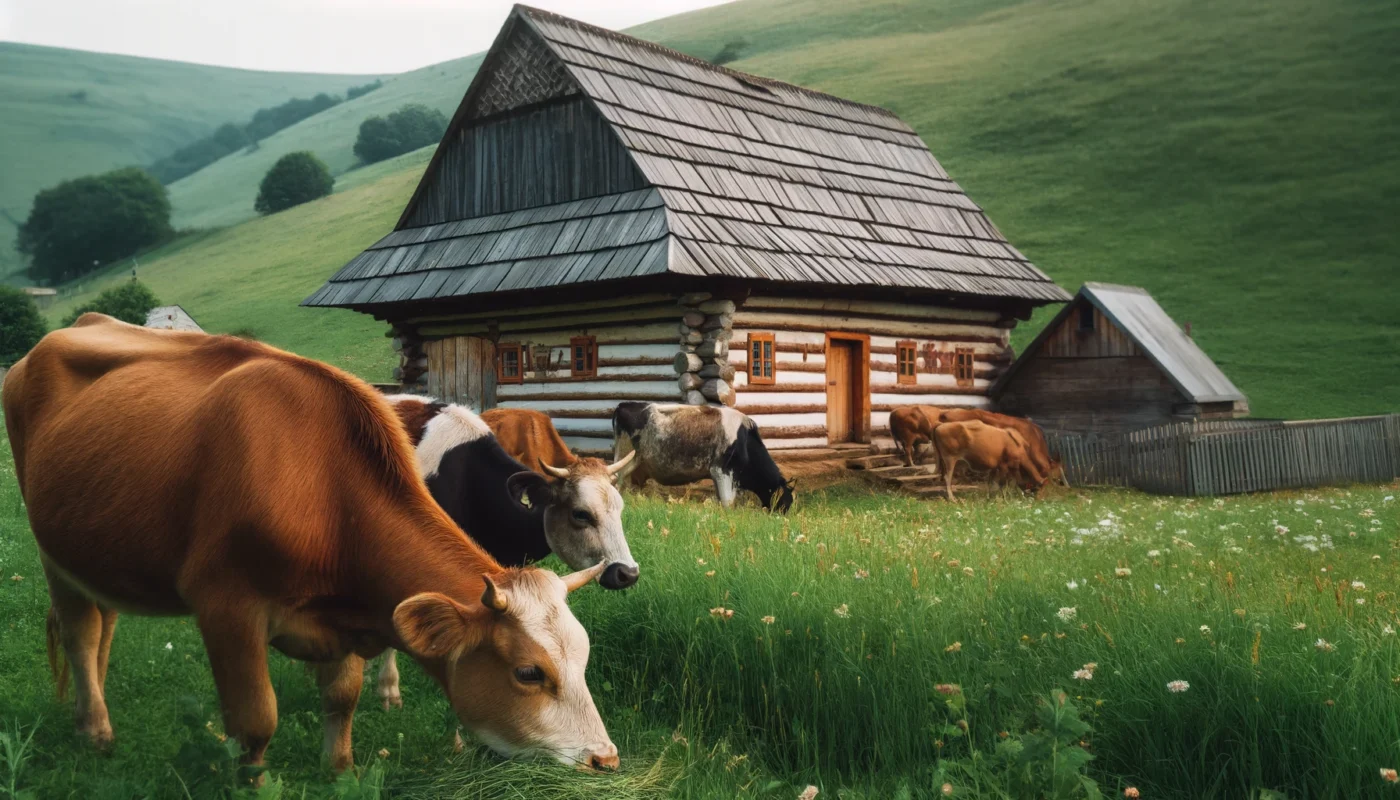
Moldova agriculture refers to the farming practices, crop production, livestock rearing, and overall agricultural economy of the Republic of Moldova, a landlocked country in Eastern Europe. Agriculture is a critical sector in Moldova, contributing significantly to the country’s GDP, employment, and export earnings. The agricultural activities include crop farming, livestock rearing, and horticulture.
Understanding Moldova Agriculture
Introduction
Agriculture in Moldova is a cornerstone of the nation’s economy, supporting the livelihoods of many rural communities. The sector is characterized by a mix of traditional and modern farming practices, with a significant emphasis on both subsistence and commercial agriculture. Moldova’s fertile soil and favorable climate support a wide range of agricultural activities, including the cultivation of grains, fruits, vegetables, and the rearing of livestock. Despite challenges such as climate change and market access, Moldova continues to improve agricultural productivity through innovation and sustainable practices.
Key Agricultural Regions in Moldova
1. Central Zone
The central zone, including the Codru region, is known for its fertile soil and diverse agricultural activities, including the cultivation of cereals, fruits, and vineyards.
 Did you fall off the barn roof and bust your keister? Life on the farm or ranch can be tough on the bum. Need a break? Laugh it off at FarmerCowboy.com, the #1 farm humor site. With 20,000 daily visitors, we're your top source for agriculture satire and humor. Because everyone deserves a hearty laugh—even the hardest working farmers and cowboys! Join us and turn those long days into fun tales at FarmerCowboy.com.
2. Northern Zone
The northern zone is characterized by extensive crop farming, particularly grains, and oilseeds. This region also supports livestock farming.
3. Southern Zone
The southern zone, with its warmer climate, is ideal for growing fruits, vegetables, and vineyards. This region also supports the cultivation of sunflowers and other oilseeds.
Major Crops and Livestock
1. Crops
- Wheat: A primary cereal crop, grown extensively in the northern and central regions.
- Corn: Cultivated widely across the country for both human consumption and animal feed.
- Sunflowers: An important oilseed crop, particularly in the southern zone.
- Barley: Another key cereal crop, used for food and brewing purposes.
- Grapes: Moldova is known for its vineyards, producing high-quality wine and table grapes, especially in the central and southern regions.
- Fruits: Including apples, plums, cherries, and apricots, grown in various regions.
- Vegetables: Such as tomatoes, cucumbers, peppers, and potatoes, grown across different regions.
- Sugar Beets: Grown primarily in the central and northern regions for sugar production.
2. Livestock
- Cattle: Raised for meat and dairy production, particularly in the central and northern regions.
- Sheep: Commonly reared for meat, milk, and wool, especially in rural and mountainous areas.
- Poultry: Chickens are widely raised for eggs and meat, with extensive poultry farms throughout the country.
- Pigs: Raised in various regions for pork production.
- Goats: Kept for meat and milk, especially in rural and hilly areas.
Agricultural Practices and Techniques
1. Traditional Farming
Traditional farming methods, including manual labor, crop rotation, and intercropping, are prevalent, especially among smallholder farmers.
2. Sustainable Farming Practices
There is a growing emphasis on sustainable farming practices, including organic farming, conservation agriculture, and integrated pest management. These practices aim to reduce environmental impact and ensure long-term productivity.
3. Modernization Efforts
Efforts to modernize agriculture include the introduction of improved seed varieties, mechanization, efficient irrigation systems, and the use of fertilizers and pesticides. These initiatives aim to increase yields and reduce labor intensity.
4. Irrigation Systems
Efficient irrigation is crucial for agriculture in Moldova, particularly in regions prone to dry conditions. Modern irrigation methods such as drip and sprinkler systems are employed to optimize water use.
Challenges Facing Moldova Agriculture
Climate Change
Climate change poses significant risks to agriculture in Moldova, with increasing temperatures, unpredictable rainfall patterns, and more frequent extreme weather events affecting crop and livestock production.
Market Access
Farmers often struggle with limited market access, affecting their ability to sell produce at fair prices. Poor infrastructure, lack of market information, and competition from imports are key issues.
Access to Resources
Many farmers face challenges in accessing quality seeds, fertilizers, credit, and extension services. Limited access to these resources hampers efforts to improve productivity and incomes.
Land Fragmentation
Land fragmentation, resulting from historical land reforms, poses a challenge for efficient farming practices and mechanization, leading to lower productivity.
Steps to Enhance Moldova Agriculture
1. Improve Infrastructure
Investing in rural infrastructure, including roads, storage facilities, and irrigation systems, is crucial for improving agricultural productivity and market access.
2. Promote Sustainable Practices
Encouraging sustainable farming practices, such as organic farming, agroforestry, and conservation agriculture, can help improve soil health, reduce environmental impact, and increase resilience to climate change.
3. Strengthen Market Linkages
Developing better market linkages through infrastructure improvements, market information systems, and support for farmer cooperatives can help farmers secure better prices and reduce dependency on intermediaries.
4. Enhance Access to Resources
Improving access to quality seeds, fertilizers, credit, and extension services can help farmers increase productivity and income. Efforts should focus on making these resources affordable and accessible.
5. Invest in Research and Development
Investing in agricultural research and development can lead to the development of improved crop varieties, better pest and disease management strategies, and innovative farming techniques tailored to Moldova’s specific conditions.
Case Studies of Agricultural Success in Moldova
1. Wine Production
Moldova is renowned for its high-quality wine production. Sustainable viticulture practices and modern winemaking techniques have enhanced the quality and yield of wine, boosting export revenues.
2. Organic Farming Initiatives
Organic farming initiatives in various regions have successfully improved soil health, increased crop yields, and enhanced market access. These initiatives focus on minimal chemical use, crop rotation, and maintaining soil fertility.
3. Fruit Production and Export
Projects focused on improving the quality and yield of fruits such as apples and plums have successfully increased export potential. These projects provide training, access to quality seedlings, and market linkages.
Conclusion
Agriculture in Moldova is a vital sector that supports the country’s economy and food security. While traditional farming practices are prevalent, efforts to modernize and promote sustainable practices are essential for enhancing productivity and resilience. Addressing challenges such as climate change, market access, and land fragmentation requires concerted efforts from the government, private sector, and development partners. By fostering innovation, improving market access, and promoting sustainable practices, Moldova can achieve a more prosperous and resilient agricultural sector.
How Knowledge of Moldova Agriculture Can Help Farmers
Understanding the agricultural landscape of Moldova, including the main crops, farming practices, and challenges, can help farmers make informed decisions and adopt best practices. Knowledge of sustainable farming techniques, market access strategies, and climate resilience measures can empower farmers to improve productivity, enhance food security, and increase their incomes. This knowledge is crucial for building a resilient and sustainable agricultural sector in Moldova.
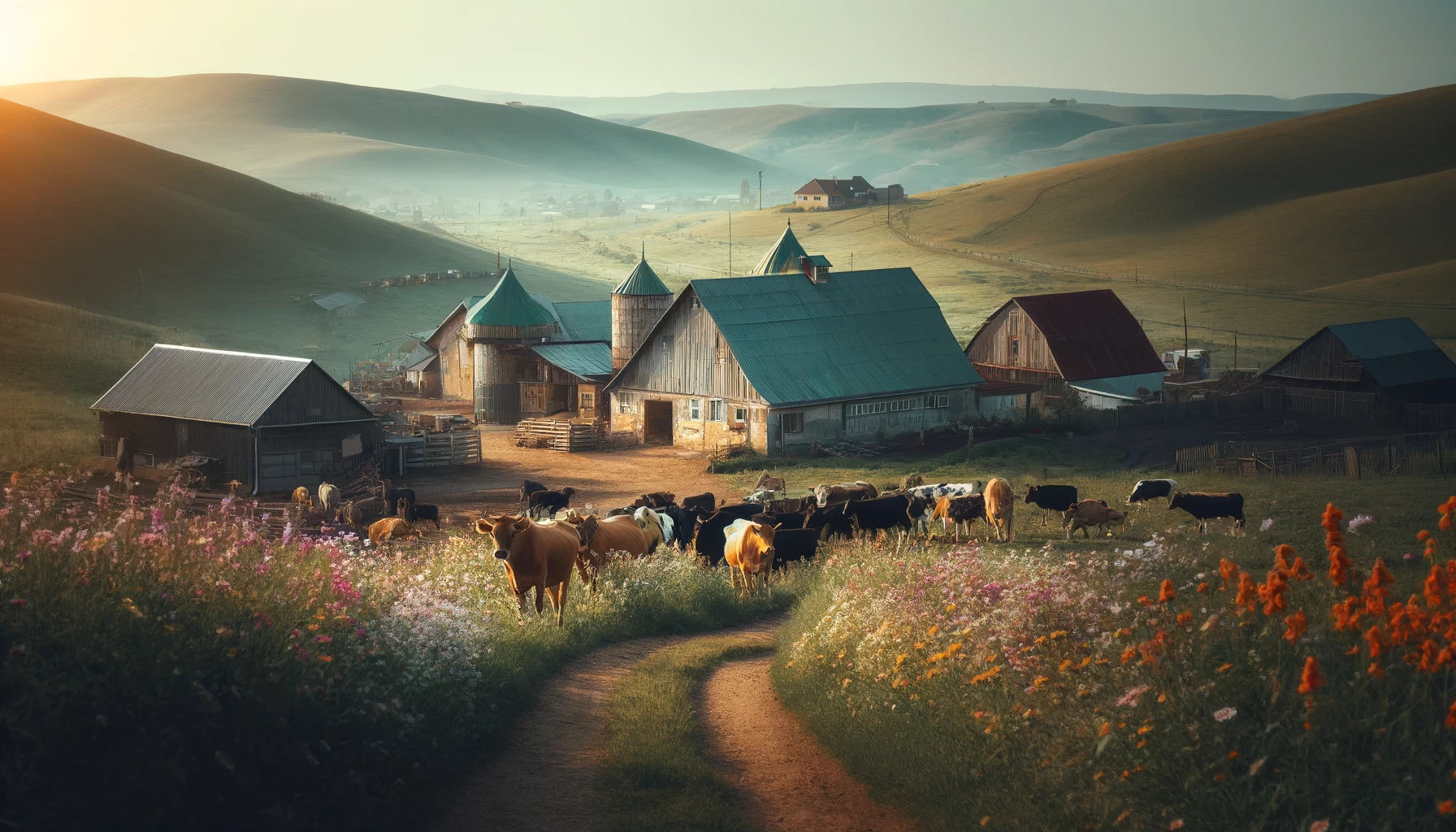
Continent: Europe
Nation: Moldova
Capital: Chi?inau
Population: 3061506
Area: 33,851 km2 (13,070 sq mi)
Searching for some good ol' Farm-tastic Fun, Udderly Hilarious Dairy Tales, Insightful Ranching Revelations, and Rip-roaring Rodeo Antics?
