 by
Denmark Agriculture
Denmark agriculture refers to the farming practices, crop production, livestock rearing, and overall agricultural economy of the Kingdom of Denmark, a country in Northern Europe. Agriculture is a highly developed and technologically advanced sector in Denmark, contributing significantly to the country’s GDP, employment, and export earnings. The agricultural activities include crop farming, livestock rearing, dairy farming, and horticulture.
Understanding Denmark Agriculture
Introduction
Agriculture in Denmark is a cornerstone of the nation’s economy, known for its high productivity, sustainability, and technological advancements. The sector is characterized by a mix of traditional farming practices and modern, intensive agriculture. Denmark’s temperate climate and fertile soils support a wide range of agricultural activities, including the cultivation of cereals, root crops, and the rearing of livestock. Despite challenges such as climate change and market competition, Denmark continues to lead in agricultural innovation and sustainability.
Key Agricultural Regions in Denmark
1. Jutland Peninsula
The Jutland Peninsula is a major agricultural region, supporting extensive livestock farming, dairy production, and the cultivation of cereals and root crops.
 Did you fall off the barn roof and bust your keister? Life on the farm or ranch can be tough on the bum. Need a break? Laugh it off at FarmerCowboy.com, the #1 farm humor site. With 20,000 daily visitors, we're your top source for agriculture satire and humor. Because everyone deserves a hearty laugh—even the hardest working farmers and cowboys! Join us and turn those long days into fun tales at FarmerCowboy.com.
2. Zealand
Zealand, Denmark’s largest island, is known for its fertile soil and diverse agricultural activities, including crop farming, dairy farming, and horticulture.
3. Funen
Funen, often referred to as Denmark’s garden island, is renowned for its fruit orchards, vegetable farming, and floriculture.
Major Crops and Livestock
1. Crops
- Wheat: A primary cereal crop grown extensively across the country.
- Barley: Used for animal feed and brewing, grown widely in Denmark.
- Rye: Another important cereal crop, particularly used for bread-making.
- Potatoes: Cultivated extensively, especially in Jutland, for both domestic consumption and export.
- Sugar Beets: Grown mainly in the southern regions for sugar production.
- Vegetables: Including carrots, onions, and cabbage, grown in various regions.
- Fruits: Such as apples and cherries, particularly in Funen and Zealand.
2. Livestock
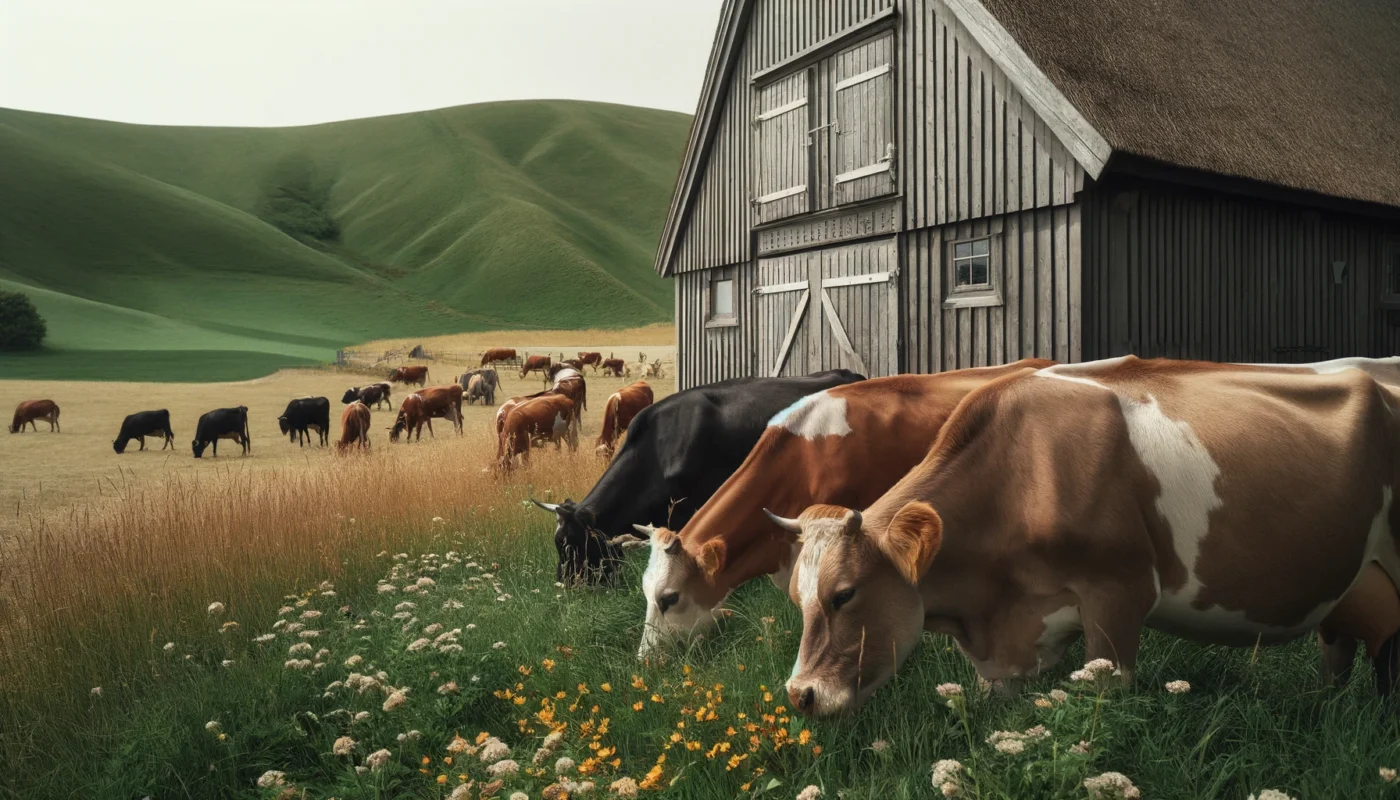
- Cattle: Raised for both meat and dairy production, with Denmark being a leading dairy producer.
- Pigs: Denmark is one of the largest pork producers in the world, with extensive pig farming operations.
- Poultry: Chickens are raised for eggs and meat, with significant poultry farms throughout the country.
- Sheep and Goats: Raised in smaller numbers for meat, milk, and wool.
Agricultural Practices and Techniques
1. Traditional Farming
Traditional farming methods, including crop rotation and mixed farming, are prevalent, especially among smaller farms. These methods help maintain soil fertility and reduce pest and disease pressure.
2. Sustainable Farming Practices
Denmark is a global leader in sustainable farming practices, including organic farming, conservation agriculture, and integrated pest management. These practices aim to reduce environmental impact and promote long-term agricultural productivity.
3. Modernization Efforts
Efforts to modernize agriculture include the widespread use of precision farming technologies, mechanization, and efficient irrigation systems. These initiatives aim to increase yields, reduce labor intensity, and enhance sustainability.
4. Agro-environmental Schemes
Denmark implements various agro-environmental schemes to promote biodiversity, protect water resources, and reduce greenhouse gas emissions. These include measures such as buffer strips, cover crops, and reduced tillage.
Challenges Facing Denmark Agriculture
Climate Change
Climate change poses significant risks to agriculture in Denmark, with increasing temperatures, unpredictable rainfall patterns, and more frequent extreme weather events affecting crop and livestock production.
Market Competition
Danish farmers face intense competition in the global market, necessitating continuous innovation and efficiency improvements to maintain competitiveness.
Environmental Regulations
Strict environmental regulations aimed at reducing pollution and protecting natural resources can increase production costs and require farmers to adopt new practices and technologies.
Steps to Enhance Denmark Agriculture
1. Promote Technological Innovation
Encouraging the adoption of advanced technologies such as precision farming, automation, and digital tools can help farmers improve efficiency, productivity, and sustainability.
2. Support Sustainable Practices
Expanding support for sustainable farming practices, including organic farming, conservation agriculture, and agroforestry, can help reduce environmental impact and enhance resilience to climate change.
3. Strengthen Market Access
Improving infrastructure, market information systems, and export promotion efforts can help farmers access new markets and secure better prices for their produce.
4. Enhance Research and Development
Investing in agricultural research and development can lead to the development of improved crop varieties, better pest and disease management strategies, and innovative farming techniques tailored to Denmark’s specific conditions.
Case Studies of Agricultural Success in Denmark
1. Dairy Production
Denmark is renowned for its high-quality dairy products. The use of advanced milking technologies, efficient feed management, and strict quality control measures have made Danish dairy products competitive in the global market.
2. Organic Farming
Organic farming initiatives have successfully increased soil health, biodiversity, and market access. Denmark has one of the highest percentages of organic farming land in the EU, driven by strong consumer demand and supportive policies.
3. Precision Agriculture
The adoption of precision agriculture technologies, such as GPS-guided machinery and data-driven decision-making tools, has improved crop yields, reduced input use, and minimized environmental impact.
Conclusion
Agriculture in Denmark is a vital sector that supports the country’s economy and food security. While traditional farming practices are still prevalent, Denmark’s commitment to innovation and sustainability is evident in its advanced agricultural techniques and environmental stewardship. Addressing challenges such as climate change, market competition, and environmental regulations requires continuous efforts from the government, private sector, and research institutions. By fostering technological innovation, supporting sustainable practices, and improving market access, Denmark can maintain its position as a leader in modern and sustainable agriculture.
How Knowledge of Denmark Agriculture Can Help Farmers
Understanding the agricultural landscape of Denmark, including the main crops, farming practices, and challenges, can help farmers make informed decisions and adopt best practices. Knowledge of sustainable farming techniques, technological innovations, and market access strategies can empower farmers to improve productivity, enhance food security, and increase their incomes. This knowledge is crucial for building a resilient and sustainable agricultural sector in Denmark.

Continent: Europe
Nation: Denmark
Capital: Copenhagen
Population: 5854240
Area: 2,210,573 km2 (853,507 sq mi)
Searching for some good ol' Farm-tastic Fun, Udderly Hilarious Dairy Tales, Insightful Ranching Revelations, and Rip-roaring Rodeo Antics?