
 by
by Angola Agriculture
Angola agriculture refers to the farming activities and practices within the Republic of Angola, located in Southern Africa. The sector encompasses the cultivation of crops, livestock rearing, and forestry. Key agricultural products include cassava, maize, bananas, sweet potatoes, and coffee. Agriculture in Angola is a crucial part of the economy, providing employment, ensuring food security, and contributing to rural development.
Understanding Angola Agriculture
Introduction
Agriculture in Angola has been a fundamental part of the country’s economy and livelihood for centuries. Despite challenges such as civil war and infrastructural deficits, Angola’s agriculture sector holds significant potential due to its vast arable land, diverse climate zones, and rich natural resources. Revitalizing agriculture is central to Angola’s efforts to diversify its economy away from oil dependency.
Major Agricultural Products
1. Cassava
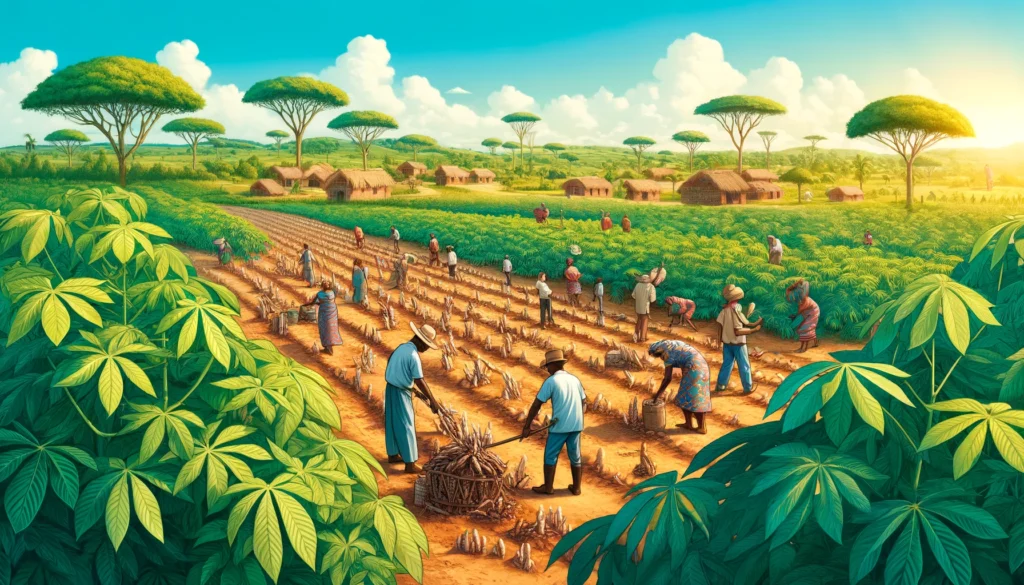
Cassava is a staple food in Angola and one of the most widely grown crops. It is a critical source of carbohydrates for the population and can be processed into various products, including flour and starch.
 Did you fall off the barn roof and bust your keister? Life on the farm or ranch can be tough on the bum. Need a break? Laugh it off at FarmerCowboy.com, the #1 farm humor site. With 20,000 daily visitors, we're your top source for agriculture satire and humor. Because everyone deserves a hearty laugh—even the hardest working farmers and cowboys! Join us and turn those long days into fun tales at FarmerCowboy.com.
2. Maize
Maize is another vital staple crop, used both for human consumption and as livestock feed. It is grown in various regions across Angola, particularly in the highland areas.
3. Bananas
Bananas are a significant fruit crop in Angola. The country’s climate is well-suited for banana cultivation, supporting both local consumption and potential export markets.
4. Sweet Potatoes
Sweet potatoes are commonly grown in Angola and serve as an important source of nutrition. They are relatively easy to cultivate and are resilient to different environmental conditions.
5. Coffee
Angola has a long history of coffee production, particularly of Robusta coffee. The coffee industry, once a major export sector, is being revitalized to boost the economy and create jobs.
Sustainable Practices in Angola Agriculture
1. Agroforestry
Agroforestry combines agriculture and forestry to create more sustainable and productive land-use systems. This practice helps improve soil fertility, conserve water, and enhance biodiversity.
2. Water Management
Efficient water management practices are essential in Angola to combat periods of drought and irregular rainfall. Techniques such as rainwater harvesting, drip irrigation, and the construction of small dams are employed to optimize water use.
3. Integrated Pest Management (IPM)
Integrated Pest Management (IPM) practices are used to control pests while minimizing the use of chemical pesticides. This includes the use of biological control agents, crop rotation, and other environmentally friendly methods.
4. Conservation Agriculture
Conservation agriculture involves practices such as minimal soil disturbance, crop rotation, and maintaining soil cover to improve soil health and productivity. These practices help mitigate the impacts of climate change and soil erosion.
Challenges Facing Angola Agriculture
1. Post-Conflict Recovery
Years of civil war have left Angola with damaged infrastructure, landmines, and disrupted agricultural activities. Rebuilding the sector requires significant investment and support.
2. Climate Change
Climate change poses a threat to agriculture in Angola through increased frequency of droughts, erratic rainfall patterns, and extreme weather events. These changes impact crop yields and water availability.
3. Infrastructure Deficits
Inadequate infrastructure, including poor road networks and lack of storage facilities, hampers the efficient transportation and marketing of agricultural products. This limits market access for farmers.
4. Access to Finance and Technology
Limited access to finance and modern agricultural technologies constrains the productivity of Angolan farmers. There is a need for improved financial services and technology dissemination to support agricultural development.
Steps to Improve Angola Agriculture
1. Invest in Infrastructure
Improving rural infrastructure, such as roads, storage facilities, and irrigation systems, is essential to support agricultural productivity and market access.
2. Promote Sustainable Practices
Encouraging the adoption of sustainable agricultural practices, such as agroforestry, conservation agriculture, and IPM, can enhance productivity while protecting the environment.
3. Support Agricultural Research and Extension
Investing in agricultural research and extension services can help introduce new technologies and practices to farmers. Strengthening these services is crucial for disseminating knowledge and innovations.
4. Enhance Market Access
Developing better market access through improved transportation networks, market information systems, and farmer cooperatives can help farmers sell their produce at fair prices.
5. Address Climate Change
Implementing climate-smart agriculture practices and policies can help build resilience against climate change. This includes promoting drought-resistant crop varieties, improving water management, and adopting sustainable farming practices.
Case Studies of Successful Agricultural Practices in Angola
1. Revitalization of Coffee Production
Efforts to revitalize Angola’s coffee industry have involved rehabilitating old plantations, introducing new coffee varieties, and improving processing techniques. These initiatives aim to boost coffee production and re-establish Angola as a significant coffee exporter.
2. Community-Based Agroforestry Projects
In regions affected by deforestation and soil degradation, community-based agroforestry projects have successfully improved soil fertility, increased crop yields, and provided additional income through timber and non-timber forest products.
3. Integrated Farming Systems
Integrated farming systems that combine crop production, livestock rearing, and aquaculture have been implemented to enhance resource use efficiency, increase farm income, and improve food security.
Conclusion
Agriculture in Angola is a critical sector with substantial potential for growth and development. By investing in infrastructure, promoting sustainable practices, supporting research and extension services, and improving market access, Angola can enhance the productivity, resilience, and sustainability of its agricultural sector. Addressing challenges such as post-conflict recovery, climate change, and infrastructure deficits is essential for ensuring the long-term viability of agriculture in Angola.
How Knowledge of Angola Agriculture Can Help Farmers
Understanding the unique aspects of Angola agriculture can help farmers adopt practices that improve their productivity and sustainability. By learning about sustainable farming techniques, market opportunities, and innovations, farmers can enhance their livelihoods and contribute to the country’s food security. This knowledge empowers farmers to make informed decisions, adapt to changing conditions, and thrive in a competitive agricultural landscape.
Nation: Angola
Capital: Luanda
Population: 34,503,774
Area: 1,246,700 km2 (481,354 sq mi)
We are currently researching and compiling the farm and ranch directory for Angola. Please check back in a reasonable amount of time.
Searching for some good ol' Farm-tastic Fun, Udderly Hilarious Dairy Tales, Insightful Ranching Revelations, and Rip-roaring Rodeo Antics?
