
 by
by Definition: Monaco Agriculture
Monaco agriculture refers to the limited farming practices, urban agriculture, and horticultural activities within the Principality of Monaco, a small, densely populated sovereign city-state on the French Riviera in Western Europe. Given its limited land area and high urbanization, traditional agriculture in Monaco is minimal. However, innovative urban agriculture initiatives and horticulture play significant roles in contributing to local food production and environmental sustainability.
Understanding Monaco Agriculture
Introduction
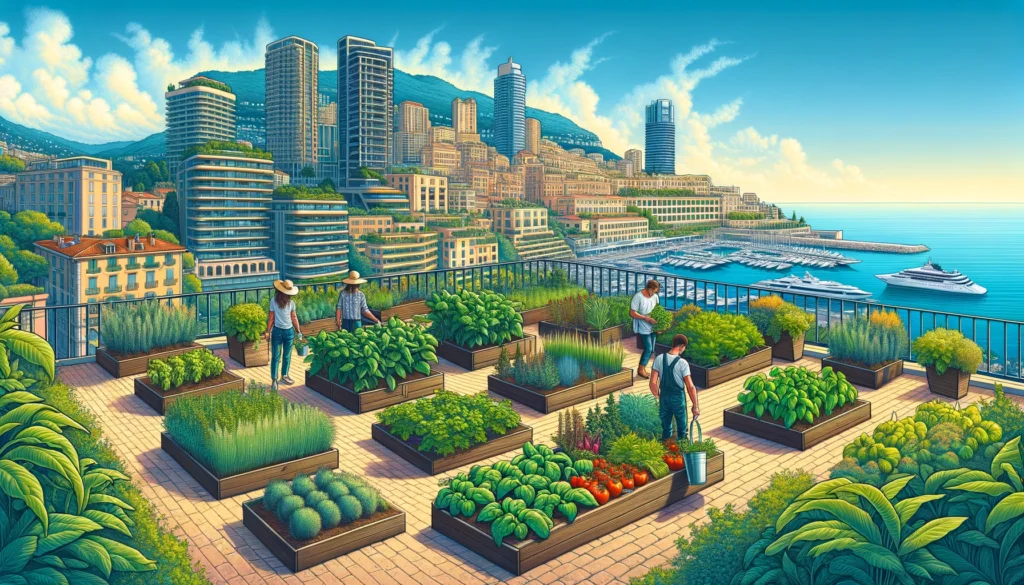
Agriculture in Monaco is characterized by innovative urban farming techniques and horticultural practices due to the principality’s small size and high population density. The focus is on maximizing the use of limited space through vertical gardens, rooftop gardens, and other forms of urban agriculture. While traditional farming is virtually non-existent, these modern practices help support local food production, contribute to environmental sustainability, and enhance the urban landscape.
Key Areas of Agricultural and Horticultural Activity in Monaco
1. Urban Agriculture
Urban agriculture in Monaco includes rooftop gardens, vertical farming, and community gardens. These projects are designed to optimize the use of limited space and provide fresh produce to local residents.
 Did you fall off the barn roof and bust your keister? Life on the farm or ranch can be tough on the bum. Need a break? Laugh it off at FarmerCowboy.com, the #1 farm humor site. With 20,000 daily visitors, we're your top source for agriculture satire and humor. Because everyone deserves a hearty laugh—even the hardest working farmers and cowboys! Join us and turn those long days into fun tales at FarmerCowboy.com.
2. Horticulture and Landscaping
Monaco is renowned for its beautifully maintained public and private gardens, which play a crucial role in the principality’s aesthetic appeal and environmental health. Horticulture focuses on ornamental plants, flowers, and greenery that enhance the urban environment.
3. Hydroponics and Aquaponics
Innovative farming methods such as hydroponics (growing plants without soil, using nutrient-rich water) and aquaponics (combining aquaculture with hydroponics) are used to cultivate vegetables and herbs in urban settings.
Major Crops and Plants
1. Vegetables and Herbs
- Lettuce and Leafy Greens: Commonly grown in vertical farms and rooftop gardens.
- Tomatoes: Cultivated using hydroponic systems.
- Herbs: Including basil, mint, and parsley, grown in small-scale urban gardens.
2. Ornamental Plants and Flowers
- Roses: Widely cultivated in private and public gardens.
- Mediterranean Plants: Such as lavender, oleander, and bougainvillea, which thrive in Monaco’s climate.
- Exotic Flowers: Featured in the famous Jardin Exotique de Monaco.
Agricultural Practices and Techniques
1. Vertical Farming
Vertical farming involves growing crops in vertically stacked layers, often integrated into other structures like skyscrapers or used as standalone facilities. This method maximizes space efficiency and is ideal for Monaco’s urban environment.
2. Rooftop Gardens
Rooftop gardens transform unused rooftop spaces into productive agricultural areas. These gardens help reduce the urban heat island effect, improve air quality, and provide fresh produce.
3. Hydroponics and Aquaponics
Hydroponics and aquaponics are highly efficient agricultural techniques that require less space and water compared to traditional farming. These systems are particularly suited to urban environments where space is limited.
4. Community Gardens
Community gardens are shared spaces where residents can grow vegetables, herbs, and flowers. These gardens foster community engagement, provide educational opportunities, and contribute to local food production.
Challenges Facing Monaco Agriculture
Limited Land Availability
Monaco’s small land area and high population density limit the availability of space for traditional agriculture. Urban agriculture initiatives must be highly efficient in their use of space.
High Costs
The cost of land and construction in Monaco is exceptionally high, making agricultural projects more expensive compared to other regions.
Water Management
Efficient water use is crucial in urban agriculture. Techniques such as hydroponics and aquaponics help conserve water, but the initial setup can be costly.
Steps to Enhance Agriculture in Monaco
1. Promote Urban Agriculture
Supporting and expanding urban agriculture initiatives, such as rooftop gardens and vertical farms, can enhance local food production and sustainability.
2. Invest in Innovative Technologies
Investing in advanced agricultural technologies like hydroponics, aquaponics, and automated farming systems can help maximize productivity and efficiency in limited spaces.
3. Foster Community Involvement
Encouraging community participation in urban gardening projects can increase awareness about local food production, promote healthy eating, and strengthen community ties.
4. Enhance Sustainability Practices
Implementing sustainable practices, such as organic farming, composting, and efficient water management, can reduce environmental impact and improve the resilience of urban agriculture.
Case Studies of Agricultural Success in Monaco
1. Monaco’s Rooftop Gardens
Several rooftop garden projects in Monaco have successfully transformed unused rooftop spaces into productive agricultural areas. These gardens provide fresh produce to local restaurants and residents while improving urban sustainability.
2. The Exotic Garden of Monaco
The Jardin Exotique de Monaco showcases a variety of exotic plants and succulents. This garden is a major tourist attraction and a testament to Monaco’s commitment to horticultural excellence.
3. Urban Hydroponic Farms
Urban hydroponic farms in Monaco have demonstrated the potential of soilless farming systems to produce high yields of vegetables and herbs in a controlled environment. These farms contribute to local food security and sustainability.
Conclusion
Agriculture in Monaco, though limited by space, is characterized by innovative urban farming and horticultural practices. By leveraging advanced technologies and sustainable practices, Monaco can enhance its local food production, contribute to environmental sustainability, and improve the quality of urban life. Addressing challenges such as limited land availability and high costs requires creative solutions and community involvement. Through continued investment in urban agriculture and horticulture, Monaco can maintain its reputation as a forward-thinking and sustainable city-state.
How Knowledge of Monaco Agriculture Can Help Urban Farmers
Understanding the agricultural landscape of Monaco, including key practices and challenges, can help urban farmers make informed decisions and adopt best practices. Knowledge of innovative farming techniques, efficient space utilization, and sustainability measures can empower urban farmers to improve productivity, contribute to local food security, and enhance urban environments. This knowledge is crucial for building a resilient and sustainable urban agricultural sector in Monaco.
Continent: Europe
Nation: Monaco
Capital: Monaco
Population: 36686
Area: 2 km2 (0.8 sq mi)
Searching for some good ol' Farm-tastic Fun, Udderly Hilarious Dairy Tales, Insightful Ranching Revelations, and Rip-roaring Rodeo Antics?
