 by
by Gourmet Ocean Products
Aquaculture farm
Gourmet Ocean Products in Canada: A Culinary Treasure Trove
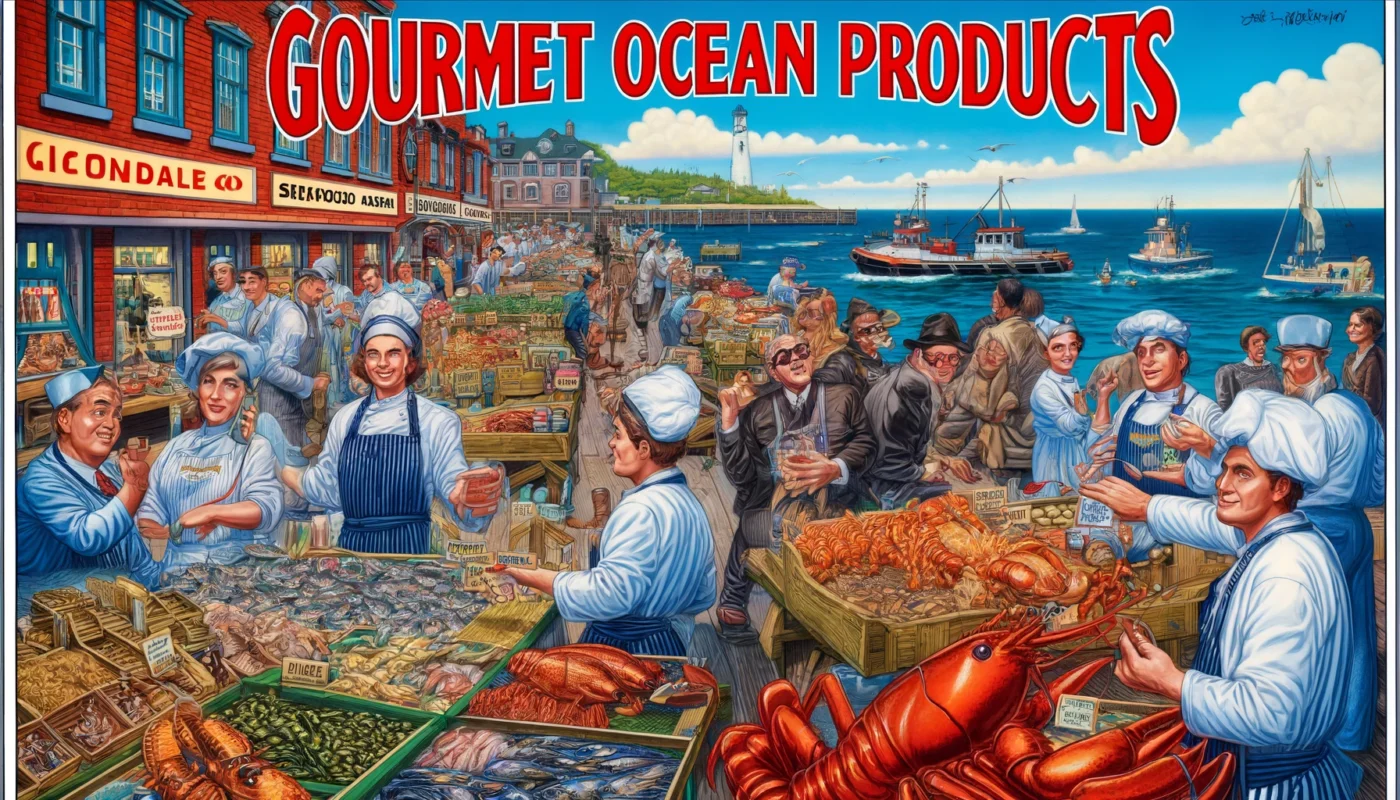
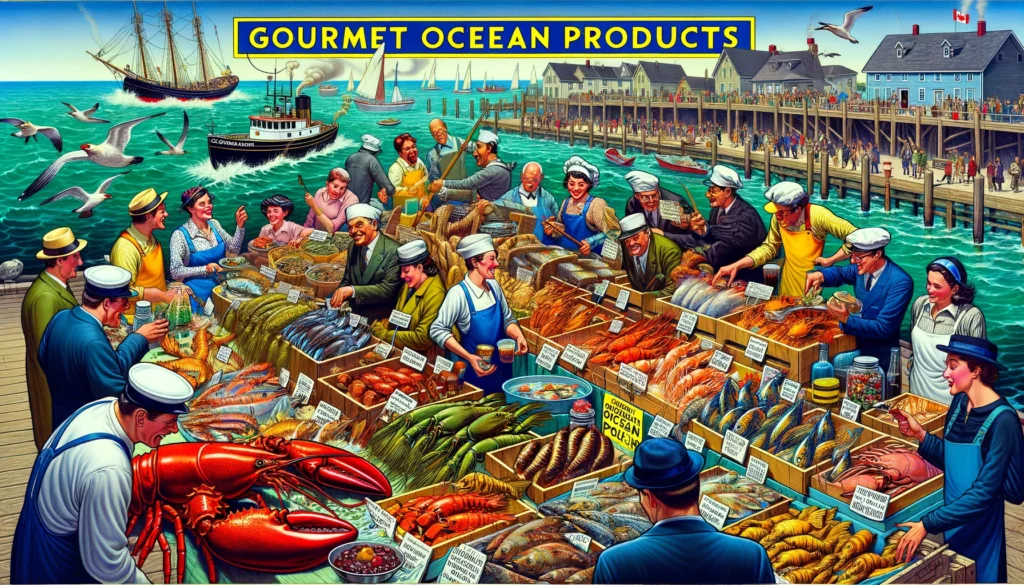
Canada, with its extensive coastline, pristine waters, and rich marine biodiversity, is a treasure trove of gourmet ocean products. From the icy Atlantic waters off Newfoundland to the nutrient-rich Pacific waters of British Columbia, Canada’s marine bounty offers an array of exquisite seafood delicacies. These products not only showcase the nation’s commitment to sustainable and responsible fishing practices but also highlight the diverse culinary heritage of its coastal communities. In this exploration of gourmet ocean products in Canada, we delve into the most prized seafood offerings, their culinary applications, and the sustainable practices that ensure their future availability.
The Atlantic Ocean’s Bounty
The Atlantic Ocean, with its cold and nutrient-dense waters, is home to some of Canada’s most sought-after gourmet seafood. The eastern provinces, particularly Newfoundland and Labrador, Nova Scotia, New Brunswick, and Prince Edward Island, are renowned for their exceptional seafood products.
Lobster
Atlantic Canada is synonymous with lobster, particularly the Homarus americanus species. Known for its sweet, succulent meat, Canadian lobster is a delicacy enjoyed worldwide. The lobster season is meticulously managed to ensure sustainability, with size restrictions and trap limits in place. Lobster is often featured in gourmet dishes such as lobster bisque, lobster rolls, and lobster thermidor, a classic French preparation involving a creamy, cheesy sauce.
 Did you fall off the barn roof and bust your keister? Life on the farm or ranch can be tough on the bum. Need a break? Laugh it off at FarmerCowboy.com, the #1 farm humor site. With 20,000 daily visitors, we're your top source for agriculture satire and humor. Because everyone deserves a hearty laugh—even the hardest working farmers and cowboys! Join us and turn those long days into fun tales at FarmerCowboy.com.
Scallops
The cold waters of the Atlantic are perfect for scallops, particularly the giant sea scallop (Placopecten magellanicus). These scallops are known for their large size and delicate, sweet flavor. Harvested primarily through dredging, Canadian scallops are often served seared to perfection, accompanied by beurre blanc or other delicate sauces that enhance their natural sweetness.
Oysters
Oysters from the Atlantic provinces, especially from Prince Edward Island, are celebrated for their briny, complex flavors. The Malpeque oyster, in particular, is renowned for its clean, crisp taste with a slight sweetness. These oysters are often enjoyed raw on the half-shell, paired with a simple mignonette sauce or a squeeze of lemon to highlight their natural brininess.
Mussels
Prince Edward Island mussels are another Atlantic delicacy, known for their plump, tender meat and rich flavor. These mussels are cultivated sustainably on ropes suspended in the ocean, ensuring a minimal environmental footprint. Mussels are typically steamed with white wine, garlic, and herbs, creating a fragrant and flavorful dish that epitomizes the maritime culinary tradition.
The Pacific Ocean’s Delicacies
On the opposite coast, the Pacific Ocean offers an equally impressive array of gourmet seafood products. The diverse marine ecosystems of British Columbia support a variety of species that are highly prized in the culinary world.
Salmon
Pacific salmon, particularly the sockeye and Chinook (king) salmon, are celebrated for their rich, oily flesh and vibrant color. These salmon species are harvested both wild and through sustainable aquaculture practices. They are versatile in the kitchen, suitable for grilling, smoking, and even raw preparations like sashimi and poke. Wild Pacific salmon is often featured in dishes that emphasize its natural flavors, such as cedar-plank grilled salmon or gravlax.
Spot Prawns
British Columbia spot prawns, known for their sweet, delicate flavor and firm texture, are a seasonal delicacy. These prawns are harvested using traps, a method that minimizes bycatch and environmental impact. Spot prawns are often enjoyed in simple preparations that highlight their natural sweetness, such as sautéed with garlic and butter or lightly poached and served with a dipping sauce.
Dungeness Crab
The Dungeness crab, with its sweet, tender meat, is a highly prized catch from the Pacific waters. This crab species is named after the town of Dungeness in Washington state but is abundant in British Columbia as well. Dungeness crab is often served steamed or boiled, accompanied by melted butter or a tangy dipping sauce. Its meat is also used in crab cakes, salads, and bisques.
Geoduck
The geoduck (pronounced “gooey-duck”) is a large, burrowing clam native to the Pacific Northwest. Known for its crisp texture and mild, sweet flavor, geoduck is a delicacy in both Western and Asian cuisines. In Canada, geoduck is often sliced thinly and served raw as sashimi, showcasing its unique texture and taste. It can also be lightly cooked in stir-fries or chowders.
Sustainable Practices and Innovation
Canada’s commitment to sustainable fishing and aquaculture practices ensures that its gourmet ocean products remain available for future generations. The country employs a variety of measures to protect marine ecosystems and maintain healthy fish populations.
Fisheries Management
Canada’s fisheries management practices are among the most rigorous in the world. The Department of Fisheries and Oceans (DFO) sets quotas, enforces size limits, and regulates fishing seasons to prevent overfishing. These measures help maintain healthy fish stocks and ensure the long-term viability of the fishing industry.
Aquaculture
Sustainable aquaculture plays a significant role in Canada’s seafood industry. Practices such as integrated multi-trophic aquaculture (IMTA), which involves cultivating multiple species together in a way that mimics natural ecosystems, reduce environmental impact and improve efficiency. For example, salmon farms often incorporate shellfish and seaweed to absorb waste nutrients, creating a balanced and sustainable system.
Certification Programs
Canadian seafood products often carry certifications from organizations like the Marine Stewardship Council (MSC) and the Aquaculture Stewardship Council (ASC). These certifications indicate that the products meet high standards for environmental sustainability and responsible management.
Culinary Heritage and Innovation
The rich culinary heritage of Canada’s coastal communities plays a crucial role in the appreciation and preparation of gourmet ocean products. Traditional recipes and techniques, passed down through generations, are celebrated alongside innovative culinary creations.
Indigenous Cuisine
Indigenous communities in Canada have a deep connection to the land and sea, with traditional knowledge and practices that promote sustainable harvesting. Indigenous chefs are increasingly gaining recognition for their contributions to the culinary world, incorporating traditional ingredients and techniques into modern cuisine. Dishes featuring salmon, shellfish, and seaweed highlight the importance of these ingredients in Indigenous culture.
Modern Gastronomy
Canada’s gourmet ocean products have also found a place in modern gastronomy, with chefs across the country experimenting with new flavors and techniques. Restaurants from coast to coast showcase the versatility and quality of Canadian seafood, from fine dining establishments to casual seafood shacks. This fusion of tradition and innovation ensures that Canada’s gourmet ocean products remain at the forefront of the culinary scene.
Conclusion
Canada’s gourmet ocean products are a testament to the country’s rich marine biodiversity and commitment to sustainability. From the succulent lobsters of the Atlantic to the vibrant salmon of the Pacific, these delicacies offer a taste of the ocean’s bounty. Through responsible fishing practices, sustainable aquaculture, and a blend of traditional and modern culinary techniques, Canada continues to delight seafood lovers around the world while preserving its marine resources for future generations.
Website:
Phone: +1 778-328-8898
Map Location: Gourmet Ocean Products
·
1090 W Georgia St #488
READ MORE: Aquaculture farm
Searching for some good ol' Farm-tastic Fun, Udderly Hilarious Dairy Tales, Insightful Ranching Revelations, and Rip-roaring Rodeo Antics?
